
• Home
  • Photo News
  • News
    • NGO/CSO
    • Photo News
    • OrientalNews 7th Anniversary
    • Press Releases
    • World News
    • Nigeria News
    • Politics
    • Opinion
    • Sports
  • Interviews
  • SMEs
  • Law
    • Crime
  • Travel & Tours
    • Aviation
    • Tourism
  • Energy
    • Oil & Gas
    • Power
  • Business
    • Banking & Finance
      • Capital Market
      • Money Market
    • Pension
    • Insurance
    • Brands & Marketing
    • IT & Telecoms
    • Labour
    • Agriculture
    • Maritime
    • Property
    • Manufacturing
  • Regulators
    • Nigeria Bureu of Statistics
    • PENCOM
    • NAICOM
    • SEC
    • NSE
    • CBN
Facebook X (Twitter) Instagram
Monday, August 24
  • About us
  • Terms of use
  • Privacy Policy
  • Disclaimer
  • Advertize here
  • Contact us
Facebook X (Twitter) Instagram
Oriental News Nigeria
NRS Tax campaign
  • Home
  • Photo News
  • News
    • NGO/CSO
    • Photo News
    • OrientalNews 7th Anniversary
    • Press Releases
    • World News
    • Nigeria News
    • Politics
    • Opinion
    • Sports
  • Interviews
  • SMEs
  • Law
    • Crime
  • Travel & Tours
    • Aviation
    • Tourism
  • Energy
    • Oil & Gas
    • Power
  • Business
    • Banking & Finance
      • Capital Market
      • Money Market
    • Pension
    • Insurance
    • Brands & Marketing
    • IT & Telecoms
    • Labour
    • Agriculture
    • Maritime
    • Property
    • Manufacturing
  • Regulators
    • Nigeria Bureu of Statistics
    • PENCOM
    • NAICOM
    • SEC
    • NSE
    • CBN
Oriental News Nigeria
Home»Business»Nigeria Takes Measures To Mop Up Excess Liquidity, Contain Inflation
Business

Nigeria Takes Measures To Mop Up Excess Liquidity, Contain Inflation

By Orientalnews StaffNovember 8, 2023No Comments2 Mins Read
Facebook Twitter Pinterest LinkedIn Tumblr Email
Share
Facebook Twitter LinkedIn Pinterest Email


Yemisi Izuora

The Federal Government is pursuing strong policies in a bid to attract investors to the assets as part of efforts to mop up excess liquidity, contain inflation and curb a slump in the naira, just as it raised the interest rate on local currency securities.

The Debt Management Agency, pursuing this measure is offering three-year savings bonds at 13.46 per cent, 139 basis points higher than a previous sale in October and the highest rate in a year, according to a statement on its website on Monday.

Last week, the Central Bank of Nigeria, CBN, sold 99-day OMO bills patronized by banks and offshore investors at 13.9 per cent, a 390 basis points increase compared to the rate at which it sold securities of a similar tenor in August.

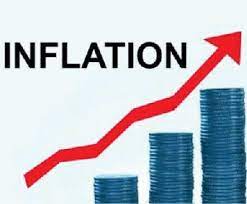
Nigeria’s economy has struggled to curb inflation that’s running at 26.7 per cent and contain excessive dollar demand, as short-term interest rates have traded far below the Central Bank of Nigeria’s monetary policy rate of 18.75 per cent.

Offering higher rates will “drain excess liquidity, help to fight inflation and curb the naira chasing the dollar, which will help stabilize the exchange rate,” Ayodeji Dawodu, head of Africa sovereign and corporate credit research at BancTrust & Co. in London, said by phone. The approach, if sustained, will also see the rates “moving closer to effective real returns,” he said.

The move adds to other steps authorities have taken under President Bola Tinubu, who was sworn in on May 29, to arrest inflation and a more than 40% slide in the naira against the dollar.

The naira has suffered persistent volatility since Africa’s most populous nation eased foreign-exchange controls as it sought to simplify its exchange-rate regime and kick-start dollar flows to attract investors. Other measures include clearing a backlog of matured foreign-currency forward contracts and a 500 billion-naira ($625 million) package aimed at improving food supply, easing transportation costs and boosting manufacturing.

The increase in the policy rate and higher interest rates offered on naira debt securities means average yields for local-currency denominated sovereign bonds have risen to 15.99 per cent the highest since 2017, according to data compiled by Bloomberg.

“There’s a general repricing of bonds to reflect tighter monetary conditions and higher yields offered by government,” Dawodu said. “Government’s higher funding needs also tend to push up the rate.”


Share this:

  • Share
  • Email a link to a friend (Opens in new window) Email
  • Tweet
  • Share on Reddit (Opens in new window) Reddit
Orientalnews Staff

Related Posts

Nigeria’s Renewables Projected To Generate $686.8Billion In Fuel Cost Savings By 2060 

August 21, 2026

Shippers’ Council Transforms Into NPERA, Vows New Era Of Port Regulation

August 20, 2026

Oversubscribed BOI Bond Indication Of Investors Confidence In Nigeria- Olusi

August 19, 2026

Leave A Reply Cancel Reply

The latest
  • NAICOM Takes Broader Initiative To Strengthen Nigeria’s Takaful Market
  • Aig-Imoukhuede Credits Record NGX 57% Rally To Domestic Capital Support 
  • INEC Hails Osun poll As “Gold Standard,”  Plan Nationwide Mock Accreditation For November
  • African Students Applaud  EFCC Chairman’s Successes In Anti-Corruption Fight 
  • NiMet Hosts Inter-Agency Meeting Ahead Of EW4All Nigeria Launch
  • AIICO Insurance Plc Reaffirms Commitment To Due Process
  • DataPro Unveils Panelists To Chart Africa’s Path To Investment-Grade Rating Status
  • Nigerian Navy Hands Over Suspected Stowaways To Immigration Service 
  • INEC Seeks Support From Canada To Deliver Transparent 2027 General Elections Results
  • Nigeria Considers Converting Cassava Wastewater Into Energy
Categories
Quick Links
  • About us
  • Terms of use
  • Privacy Policy
  • Disclaimer
  • Advertize here
  • Contact us
Facebook X (Twitter) Instagram YouTube LinkedIn
Copyright © 2026 Oriental News Nigeria. All right reserved.

Type above and press Enter to search. Press Esc to cancel.