

Julian West
The death of former Nigerian President Muhammadu Buhari has intensified scrutiny over the stability of President Bola Tinubu’s administration and the trajectory of Nigeria’s 2025-2027 political cycle. While Tinubu’s leadership faces challenges—ranging from upcoming elections to unresolved security and economic volatility—the infrastructure and energy sectors present compelling investment opportunities. This analysis explores how geopolitical risks and policy continuity intersect with sectoral growth potential, offering strategies to mitigate risks and capitalize on long-term prospects.
Ask Aime: What’s the impact of Buhari’s death on Nigeria’s political stability and its potential effects on the country’s 2025-27 political cycle?
Political Stability and Policy Continuity Under Tinubu
Tinubu’s administration has prioritized economic reforms, including the removal of fuel subsidies and unifying exchange rates, aimed at reducing fiscal burdens and attracting foreign investment. Key figures such as Finance Minister Wale Edun and CBN Governor Yemi Cardoso have driven fiscal discipline and monetary stability, exemplified by Nigeria’s $3.4 billion IMF debt repayment and Moody’s credit rating upgrade. However, the 2027 elections and internal APC tensions—highlighted by defections like former governor El-Rufai—pose risks to policy cohesion.
The administration’s reliance on a loyalist inner circle, including family members and trusted allies like Vice President Kashim Shettima, underscores its resilience. Shettima’s role in economic decision-making, coupled with Tinubu’s ECOWAS leadership in mediating regional conflicts, signals a commitment to stability. Yet, unresolved security threats—from Boko Haram to ethnic separatism—remain a wildcard.
Infrastructure: A Catalyst for Growth
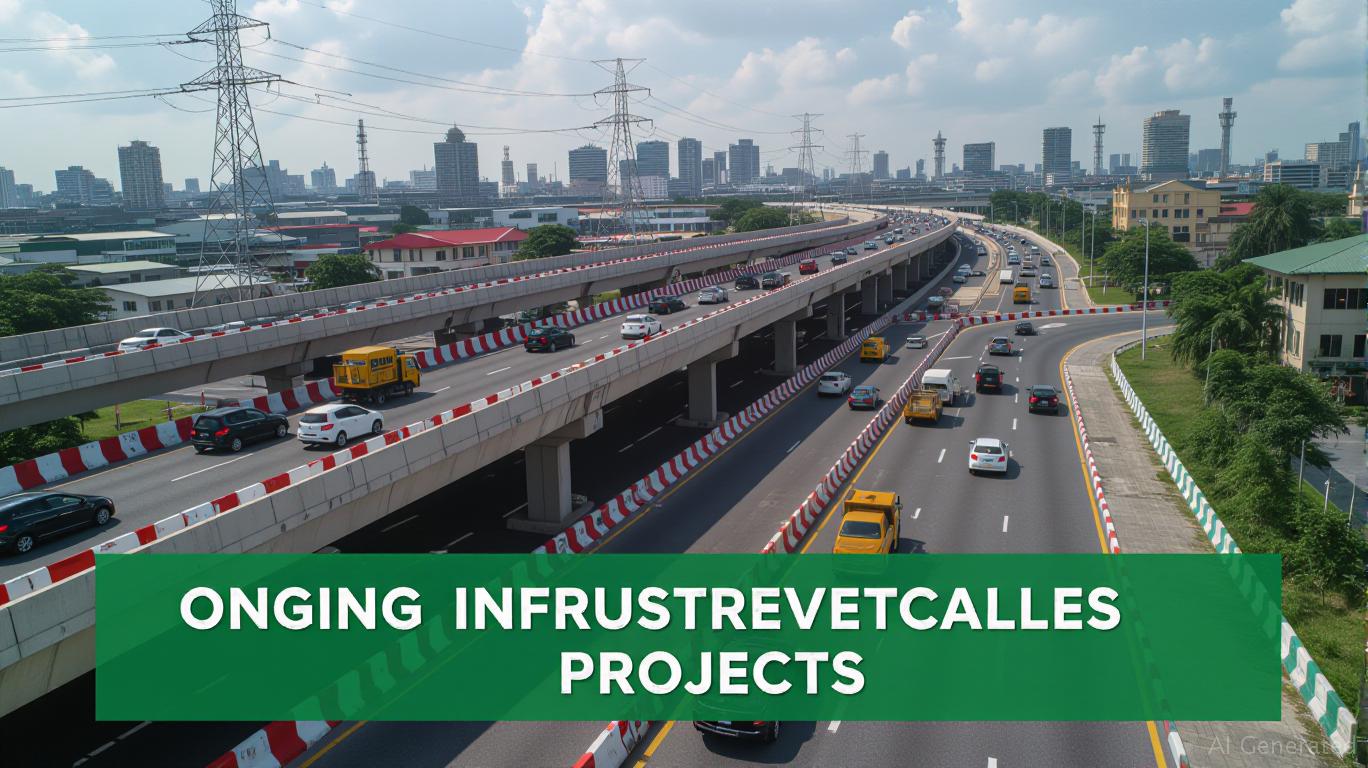
Nigeria’s infrastructure deficit presents a $150 billion opportunity, per the World Bank, with the government prioritizing transport, power, and digital connectivity. Key sectors to watch:
- Transportation:
- Rail and Ports: The Lagos-Ibadan railway (part of the Hydrocarbon Development Initiative, HDMI) and deep-sea ports like Lekki are critical to reducing logistics costs.
- Urban Transit: Public-private partnerships (PPPs) in mass transit systems could attract investors seeking long-term revenue streams.
- Power Generation:
- Gas-to-Power Projects: Tinubu’s push to utilize Nigeria’s abundant gas reserves for power generation aligns with the administration’s 4Ds Doctrine (Development). Companies involved in gas infrastructure, like Oando Plc, are positioned to benefit.
- Renewables: Solar and wind energy investments, though nascent, could grow as grid modernization proceeds.
Energy: Transitioning from Oil Dependency
Nigeria’s energy sector is undergoing a strategic shift, driven by Tinubu’s reforms and global ESG trends:
- Oil & Gas:
- Downstream Reforms: The removal of fuel subsidies has spurred private-sector investment in refining and distribution. The National Petroleum Investment Management Services (NAPIMS) aims to attract $20 billion in oil investments by 2030.
- Gas Monetization: With gas flaring penalties enforced, firms like Shell and TotalEnergies are expanding liquefied natural gas (LNG) projects.
- Renewables:
- Policy Support: The Renewable Energy Master Plan targets 30% renewables in the energy mix by 2030. Solar projects in the Sahel region and wind farms along the coast are emerging opportunities.
Geopolitical Risks and Mitigation Strategies
Despite sectoral potential, investors must navigate risks:
- Elections and Political Fragmentation: APC’s unity is fragile, with Tinubu’s family and allies (e.g., National Security Adviser Nuhu Ribadu) vying for influence. Monitor party dynamics ahead of 2027 elections.
- Security Threats: Ongoing insurgencies and separatist movements could disrupt projects. Prioritize regions with strong military presence or focus on offshore energy ventures.
- Currency Volatility: The naira’s instability (see ) demands hedging strategies, such as local currency bonds or inflation-indexed securities.
Investment Outlook and Recommendations
- Sector Prioritization:
- Infrastructure: Invest in transport and power projects tied to government PPP frameworks, such as the Lagos-Ibadan railway.
- Energy: Diversify between oil/gas and renewables. Firms with ESG-compliant projects (e.g., solar farms in the North) offer dual growth and risk mitigation.
- Risk Mitigation:
- Engage in long-term contracts with clear government guarantees.
- Monitor Tinubu’s inner circle stability and APC cohesion.
- Long-Term Play:
Nigeria’s demographic dividend (60% under 25) and urbanization rates (50% by 2030) will sustain demand for infrastructure and energy.
Conclusion
Nigeria’s post-Buhari transition is a test of Tinubu’s ability to balance geopolitical risks with economic reforms. While political uncertainty and security challenges persist, the infrastructure and energy sectors offer fertile ground for investors willing to navigate complexity. By focusing on projects aligned with government priorities and employing risk-mitigation strategies, investors can position themselves to profit from Nigeria’s long-term growth trajectory.
Final Advice: Proceed with caution but optimism. Target sectors with clear policy backing, diversify geographically, and stay agile to political shifts. Nigeria’s potential as Africa’s largest economy—and its infrastructure energy renaissance—remains undeniable. Culled From ainvest.com