
• Home
  • Photo News
  • News
    • NGO/CSO
    • Photo News
    • OrientalNews 7th Anniversary
    • Press Releases
    • World News
    • Nigeria News
    • Politics
    • Opinion
    • Sports
  • Interviews
  • SMEs
  • Law
    • Crime
  • Travel & Tours
    • Aviation
    • Tourism
  • Energy
    • Oil & Gas
    • Power
  • Business
    • Banking & Finance
      • Capital Market
      • Money Market
    • Pension
    • Insurance
    • Brands & Marketing
    • IT & Telecoms
    • Labour
    • Agriculture
    • Maritime
    • Property
    • Manufacturing
  • Regulators
    • Nigeria Bureu of Statistics
    • PENCOM
    • NAICOM
    • SEC
    • NSE
    • CBN
Facebook X (Twitter) Instagram
Saturday, August 29
  • About us
  • Terms of use
  • Privacy Policy
  • Disclaimer
  • Advertize here
  • Contact us
Facebook X (Twitter) Instagram
Oriental News Nigeria
NRS Tax campaign
  • Home
  • Photo News
  • News
    • NGO/CSO
    • Photo News
    • OrientalNews 7th Anniversary
    • Press Releases
    • World News
    • Nigeria News
    • Politics
    • Opinion
    • Sports
  • Interviews
  • SMEs
  • Law
    • Crime
  • Travel & Tours
    • Aviation
    • Tourism
  • Energy
    • Oil & Gas
    • Power
  • Business
    • Banking & Finance
      • Capital Market
      • Money Market
    • Pension
    • Insurance
    • Brands & Marketing
    • IT & Telecoms
    • Labour
    • Agriculture
    • Maritime
    • Property
    • Manufacturing
  • Regulators
    • Nigeria Bureu of Statistics
    • PENCOM
    • NAICOM
    • SEC
    • NSE
    • CBN
Oriental News Nigeria
Home»Energy»Power»Africa Targets Installation Of 17 GW Of New Capacity In 2026
Power

Africa Targets Installation Of 17 GW Of New Capacity In 2026

By Orientalnews StaffAugust 29, 2026No Comments3 Mins Read
Facebook Twitter Pinterest LinkedIn Tumblr Email
Share
Facebook Twitter LinkedIn Pinterest Email


Uche Cecil Izuora

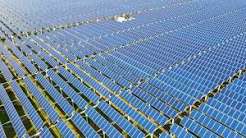
Africa could install 17 GW of solar capacity in 2026, a 45 per cent increase from 2025.

China is reportedly supplying about 94 per cent of the solar modules installed across the continent, while decentralized systems are driving much of the growth.

New installations could generate about 23 TWh of electricity annually, roughly matching Africa’s average yearly increase in electricity demand over the past decade.

The 17 GW of solar capacity by the end of 2026, represents a 45 per cent increase from the previous year, according to an analysis published on August 27 by British think tank Ember and the African Tech Futures Lab.

The analysis uses Chinese customs data to track photovoltaic panel exports to individual African countries. The approach helps compensate for gaps in national data on solar installations across the continent.

The report estimates that the new capacity could generate about 23 terawatt-hours (TWh) of electricity annually. That output roughly matches Africa’s average annual increase in electricity demand over the past decade.

“South Africa, which previously accounted for more than half of Africa’s solar panel imports, should account for less than one-fifth of installations in 2026 as growth spreads to new markets,” the authors said.

Overall, 36 of Africa’s 54 countries could install record amounts of solar capacity this year. Nineteen countries have already recorded annual growth above 100 per cent including the Democratic Republic of Congo, Zimbabwe, Zambia and Egypt.

Chinese panel imports account for most of the expected growth in 2026. About 94 per cent of solar modules installed across Africa come from China.

Africa’s own solar manufacturing capacity should reach 3.5 GW in 2026, four times the previous year’s level. New factories in Egypt and Tanzania will drive much of that increase.

However, local manufacturing remains insufficient to meet regional demand. Manufacturers also export a significant share of their output, particularly to the United States.

Ember identifies decentralized solar as one of the biggest changes in Africa’s solar market.

The think tank estimates that decentralized systems accounted for almost three-quarters of solar capacity added in Africa between 2023 and 2025. These systems include rooftop installations for households and businesses, commercial solar equipment and mini-grids that supply rural communities.

In countries with limited, unreliable or expensive electricity networks, solar panels often provide an alternative to conventional power sources. Batteries can complement these systems and provide users with more predictable costs than imported fuel.

Falling global photovoltaic module prices have accelerated the shift. Financing models such as installment payments and Pay-As-You-Go schemes have also made solar systems more accessible.

However, traditional energy databases often fail to capture this growth. Authorities can easily identify large solar plants through contracts, permits and grid connections. Individual and small-scale installations rarely enter official records.

At least 15 African countries have established or are developing authorization and registration systems for solar installations. Wider adoption of these systems should improve data collection and allow governments to incorporate decentralized solar more effectively into national energy strategies.


Share this:

  • Share
  • Email a link to a friend (Opens in new window) Email
  • Tweet
  • Share on Reddit (Opens in new window) Reddit
Orientalnews Staff

Related Posts

From Nonalignment to Multialignment in the Emerging Global Order: Options for Nigeria as a Middle Power

August 29, 2026

Nigeria To Construct Mini-Grids To Address Transmission Challenges

August 27, 2026

From Megawatts To Prosperity: Rural Electrification In The Age Of AI

August 24, 2026

Leave A Reply Cancel Reply

The latest
  • Gambia Minister Of Tourism Expected At Akwaaba African Travel Market 2026
  • NYSC, JAMB Embarks On Strong Partnership 
  • EFCC Helps To Extradite Two Nigerians U.S. For Alleged Child Exploitation, Sextortion
  • Nigeria Customs Kebbi Area Command Enhances Trade Along Kamba-Tungan Gyado Corridor
  • 250 Indigenes Of Ohafia Empowered As Abia State Collaborates With NASENI On Cookstoves, Home Solar Solutions, Others
  • From Nonalignment to Multialignment in the Emerging Global Order: Options for Nigeria as a Middle Power
  • Shell Applauds Regional Action Plan For Safe Helicopter Services
  • Former GOCOP President Dotun Oladipo Burial Arrangements Announced By Family 
  • USTDA To Boost Power Infrastructure In Selected South African Countries
  • GHL Seeks to Settle Dolphin Drilling Dispute with Cash, Nigeria Rig Work
Categories
Quick Links
  • About us
  • Terms of use
  • Privacy Policy
  • Disclaimer
  • Advertize here
  • Contact us
Facebook X (Twitter) Instagram YouTube LinkedIn
Copyright © 2026 Oriental News Nigeria. All right reserved.

Type above and press Enter to search. Press Esc to cancel.