

BY Nnamdi Obasi
Nigeria’s security challenges are immense. According to one estimate, the country recorded nearly 12,000 conflict-related deaths in 2025—a toll exceeding the peak fatalities recorded during the height of the Boko Haram insurgency in 2014 (11,346 deaths) and more than those suffered in Iraq, Syria, and Yemen combined in 2025. An Afrobarometer survey published in August 2025 found that two out of three Nigerians say that the country is no safer today than it was five years ago.
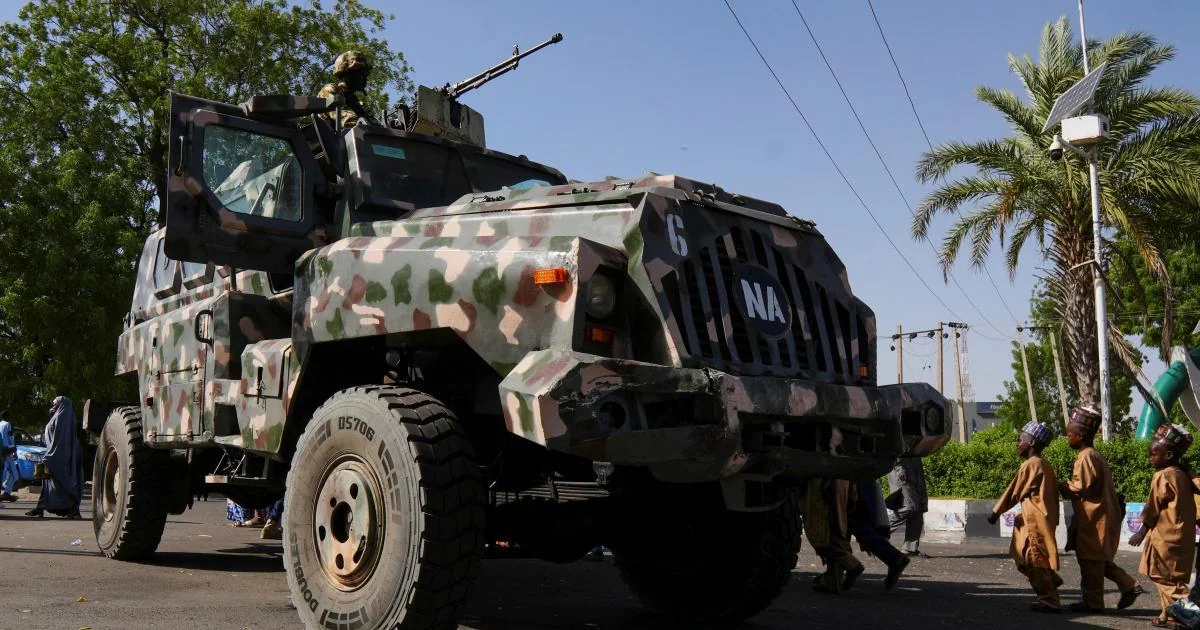
Forms of insecurity, particularly kidnapping for ransom, are pervasive across the country, but armed violence is unfolding in four main theaters. In the northeast, two jihadi groups, Boko Haram and Islamic State West Africa Province, are 16 years into an insurgency that has gained momentum in recent months despite counterinsurgent operations by the Nigerian military. In the northwest and north-central regions, deadly criminal gangs (generally referred to as “bandits”) and, more recently, jihadi groups frequently raid villages, schools, and religious centers, killing people and abducting others to extort ransoms. In the north-central belt, disputes between herders and farmers have evolved from occasional skirmishes to persistent mass killings in farming villages, with the strife often taking on complex ethnic and religious dimensions. In the southeast, since 2021, separatists fighting for the old cause of Biafran independence and opportunistic criminal groups that also style themselves as political agitators have attacked the federal government’s security personnel and facilities, killed civilians who defy their orders to engage in economic sabotage, and conducted widespread kidnappings.
These problems are well known to the Nigerian government. Intelligence agencies have repeatedly issued alerts about emerging threats, from the advent of the Boko Haram insurgency in 2009 in the northeast to the more recent rise of the armed extremist group Lakurawa in the northwest. News media, think tanks, and nongovernmental organizations frequently warn of growing violence. Yet successive Nigerian governments have failed to effect necessary reforms that would dampen strife in the country—and sometimes they have jettisoned useful policies introduced by predecessors. Officials seem reluctant to reckon with the scale of the crisis. They write off warnings as politically motivated or as attempts to destabilize their government or to hurt the country’s image. They downplay threats rather than acknowledging pervasive, worsening risks. Federal and state legislatures, meanwhile, increasingly fail to hold the president and state governors accountable for their lack of action.
Governance deficiencies or outright governance failures at the federal, state, and local levels fuel the growing crisis. Security services are underfunded and understaffed, the judicial and prison systems lack the capacity and will to sanction atrocities and curb lawlessness, and armed groups thrive in large swaths of territory where the state is all but nonexistent. As long as those problems remain unfixed, armed violence will persist, and Nigeria could slide further into instability. But if the Nigerian state makes substantial and sustained investments to improve governance and increase its institutional capacity, it can reverse that descent—and spare its neighbors and international partners the spillover effects of worsening violence. Culled From Foreign Affairs
NNAMDI OBASI is Nigeria Senior Adviser at International Crisis Group. Previously, he was a Senior Research Fellow and team lead on peacekeeping and humanitarian affairs at the Centre for Strategic Research and Studies at the National Defence College in Abuja, Nigeria.