

Yemisi Izuora
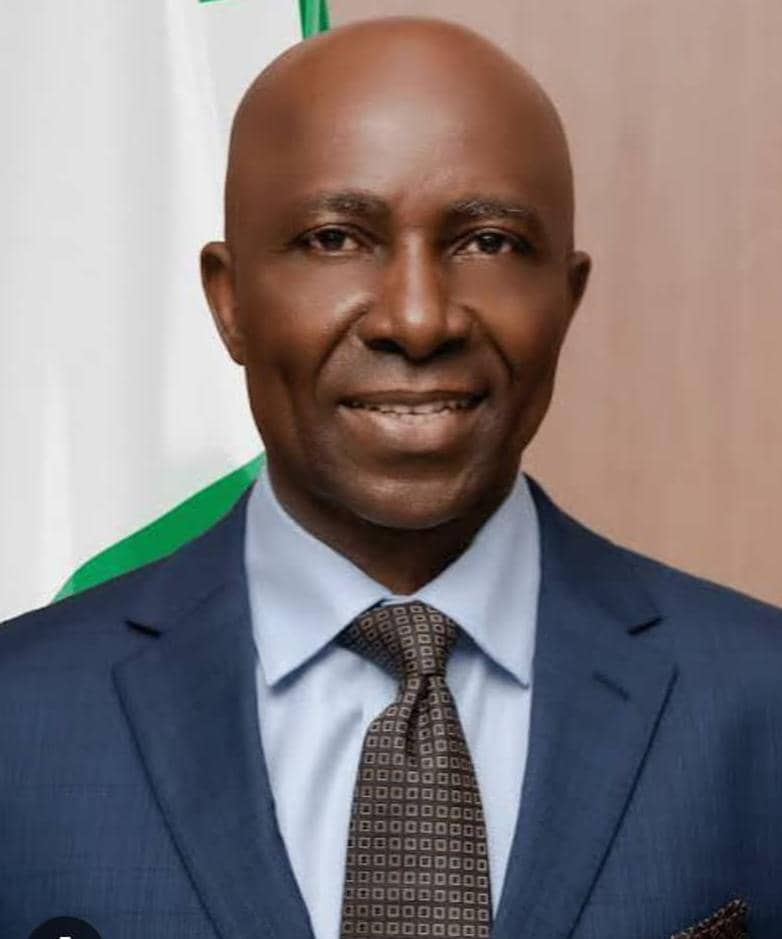
As Fintech revolution continues to transform the Nigerian financial landscape, the Chief Executive of Tax Ombud, Nigeria, John C. Nwabueze, has advised that technology deployment must serve the taxpayer and not create another barrier between the taxpayer and the state.
While he recognized that digital payments, financial technology platforms and innovative financial services have changed how people conduct transactions, access services and manage businesses, he also noted that technology does not automatically create trust.
Speaking at the 36the Anniversary of the Finance Correspondents Association of Nigeria (FICAN) themed, “Building Taxpayer Confidence and Trust in Nigeria’s Tax Reform Agenda” Nwabueze who was represented by Dr. John Iwegbu, the chief of staff to the Executive Director, cautioned that people need confidence that digital systems are reliable, that their information is protected, that transactions can be traced appropriately, and that institutions will respond when something goes wrong. He also said that the same principle applies to digital tax administration, adding that “As tax systems become increasingly technology-enabled, we must ensure that digital transformation produces a better taxpayer experience.”
He advised that digitalisation of tax administration should not simply mean transferring complicated procedures from paper to a computer screen, stressing that true digital transformation means making the system simpler, more accessible and more responsive.
He said the office of the Tax Ombud recognises the importance of public awareness, taxpayer education and accessible engagement channels in this process.
Nwabueze, noted that Tax reform involves legislation, regulations, administrative procedures and economic implications that may be difficult for the average citizen to interpret and in that regard financial journalists are often required to help translate these developments into information that businesses, households, investors and policymakers can understand.
He informed the media can contribute to better compliance and stronger accountability.
These include explanation of the law and its practical implications; examination of the implementation, not merely announcements; distinguish lawful tax planning from tax evasion; investigation of administrative fairness; and, Promotion of financial and tax literacy.
The public, he said needs reporting that explains not only how much revenue is collected but also the relationship between revenue, public expenditure, service delivery and economic development.
“The media’s role is not to endorse every government policy or oppose every reform. It is to inform the public, ask difficult questions, verify claims and hold institutions accountable. A trusted financial press strengthens the quality of public discourse.” he said.
“As we implement the tax reforms, we must ask how success will be measured. Revenue collection is an important indicator, but it is not the only one. We should also consider whether taxpayers understand their obligations, whether administrative processes are clear and accessible, whether legitimate complaints are handled fairly and efficiently, whether unnecessary compliance burdens are reduced, whether public confidence in tax institutions improves, and, whether increased revenue contributes to sustainable public services and development.” he added.
Nwabueze, assured that the Office of the Tax Ombud is committed to contributing to this broader understanding of success, saying “We must build institutions that taxpayers can approach with confidence and revenue authorities can engage with constructively. The objective is not to create conflict between taxpayers and authorities. It is to strengthen lawful administration and encourage responsible engagement.”