

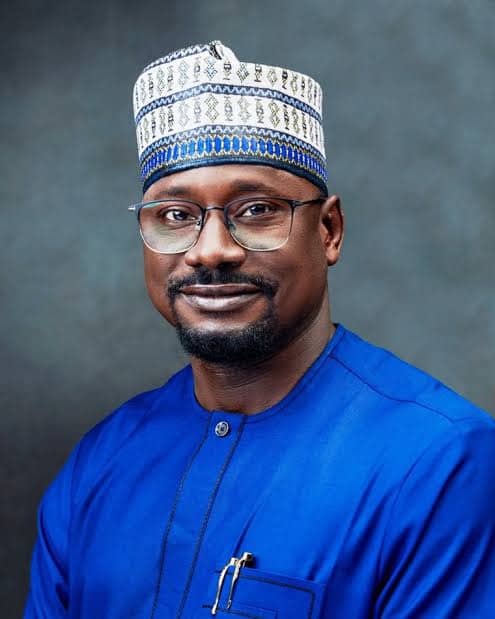
Abba Aliyu
For the first time in our modern history, Nigeria is no longer on the global energy map simply as a case study for grid fragility and power deficits.
Today, our nation is being recognized across the continent and beyond as a premier pioneer and leader in renewable energy innovation.
While successive administrations laid important groundwork over the years, what we are witnessing right now is a catalytic, unprecedented period of execution and growth.
This momentum has been made possible by the political willpower of the Federal Government led by our visionary leader, President Bola Ahmed Tinubu, alongside my boss, the Minister of Power, Joseph Tegbe, who remain determined to make Nigeria’s electricity sector sustainable, and highly attractive to investors.
This environment of trust and structural reform has transformed Nigeria into a magnet for global clean energy capital.
The recently published Sub-Saharan Africa Clean Energy Market Outlook 2026 by BloombergNEF highlights Nigeria as the continent’s largest and fastest-growing market for distributed solar and small-scale renewable energy, having attracted a $80m debt facility dedicated to expanding off-grid solar home systems and business power solutions across Nigeria.
Similarly, UK-backed clean energy company MOPO signed a $75m deal aimed at deploying a new smart battery programme under a strategic partnership with the Rural Electrification Agency (REA).
WeLight, the operator of nearly 190 mini-grids across Madagascar and Mali, serving more than 800,000 people has also announced plans to invest in Nigeria’s off-grid market.
These massive capital injections demonstrate that international financial institutions and global developers no longer view Nigeria as a risky bet, but as the most viable and scalable off-grid energy market on the continent.
Beyond international investments, we are actively deepening our alignment with state governments and government Ministries, Departments, and Agencies to ensure that mini-grid deployment, electrification planning, and regulatory frameworks function as a cohesive national system.
This internal momentum is driving a powerful shift, as Nigeria has evolved into a vital hub for Pan-African peer learning and South–South knowledge exchange.
When we welcomed our first delegation from Mozambique to the Rural Electrification Agency last year, I remember reflecting on how transformative it is when African nations choose to grow together by learning directly from one another.
Today, that vision has become our operational reality. Hosting a delegation from the Zanzibar Utilities Regulatory Authority (ZURA) reaffirmed just how far we have come, proving that beyond executing landmark projects within our borders, REA is maturing into a continental nexus where the future of African energy is actively being shaped.
Our sessions with ZURA were rooted in total transparency, exploring not only our successes, but the complex operational hurdles, policy adjustments, and sustainability lessons we have gathered while scaling off-grid renewables.
From capital mobilization and grid stability to system operations and local implementation, one truth stood out, Africa will achieve universal energy access far faster through radical collaboration than by working in silos.
What fills me with immense pride is that REA’s institutional experience has become a continental resource. Every Nigerian should take pride in this milestone because we are no longer just building power infrastructure across Nigeria, we are establishing the blueprint for how rural electrification can be scaled across Africa.
This is only the beginning. With an incoming delegation from Sierra Leone next week and several more exchange missions queued behind them, we are witnessing a defining moment where African nations choose shared progress over isolated effort. Because when one of us succeeds, the entire continent moves forward.
The work continues.
Abba Aliyu is the Managing Director of Nigeria’s Rural Electrification Agency (REA)