

Yemisi Izuora
Nigeria’s advancement in the renewable energy sector is providing electricity support to the country’s expanding telecommunications industry.
This is as renewable energy constitutes a buffer towards addressing a major obstacle to telecom network deployment because many of Nigeria’s least-connected residents live in rural areas with limited access to electricity.
In 2023, only 26 per cent of Nigeria’s rural population had access to electricity, compared with 84 per cent of the urban population, according to the World Bank.
In addition, the Distributed Access through Renewable Energy Scale-Up
(DARES) program aims to provide new or improved electricity access to more than 17.5 million Nigerians through decentralized renewable energy solutions.
Also, a Nigerian connectivity and telecom infrastructure provider Hotspot Network Limited will deploy telecommunications and broadband infrastructure across 500 underserved communities nationwide. The initiative forms part of ongoing efforts to narrow Nigeria’s digital divide.
The DARES program will support the project with World Bank funding and a partnership with the Rural Electrification Agency (REA).
Hotspot will deploy mobile voice and data services through 2G and 4G networks, broadband Internet services, community Wi-Fi networks and renewable-powered digital infrastructure across the selected communities.
“By combining resilient telecommunications infrastructure with renewable energy solutions, we are creating new opportunities in education, healthcare, financial inclusion, entrepreneurship and sustainable economic growth in rural areas,” Okezie Ofoegbu, chairman of Hotspot Network Limited, said.
The initiative comes as Nigerian authorities accelerate projects to extend telecom coverage to underserved populations.
Communications, Innovation and Digital Economy Minister Bosun Tijani announced this week that the government will activate at least 200 new telecom sites by December as part of efforts to improve access to telecommunications services for more than 20 million Nigerians.
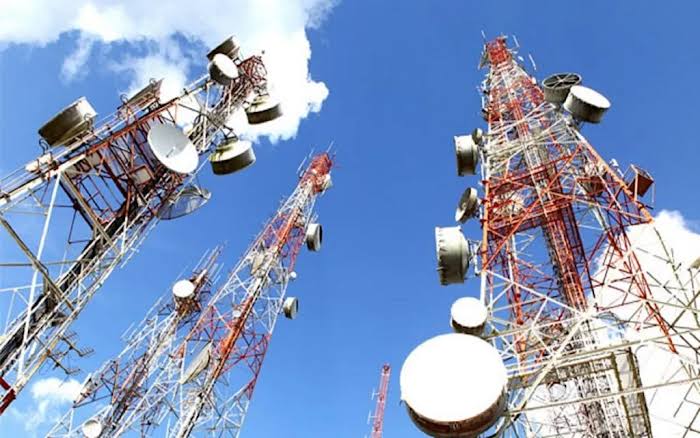
These new facilities form part of a broader project that will deploy 3,700 telecom towers across the country. Tijani said each tower should serve communities with populations ranging from 5,000 to 10,000 people.
At the same time, the government plans to develop a 90,000-kilometer fiber-optic network to expand broadband infrastructure and improve nationwide Internet access. The authorities also plan to use satellite capacity in areas where fiber and terrestrial infrastructure cannot easily reach communities.