

Nigeria’s global energy narrative is shifting, according to Rural Electrification Agency (REA) Managing Director Dr. Abba Aliyu, who argues the country is no longer being viewed internationally as a case study in grid fragility but increasingly as a continental leader in renewable energy innovation. In a recent op-ed, Aliyu credited the shift to what he described as a period of unprecedented execution, built on groundwork laid by previous administrations but accelerated under the current government’s reform agenda.
Aliyu attributed the momentum to political backing from President Bola Ahmed Tinubu and Minister of Power Joseph Tegbe, whom he said remain focused on making Nigeria’s electricity sector both sustainable and attractive to investors. He pointed to BloombergNEF’s Sub-Saharan Africa Clean Energy Market Outlook 2026, which named Nigeria the continent’s largest and fastest-growing market for distributed solar and small-scale renewables, alongside a series of recent capital commitments as evidence of that shift. Nigeria has attracted an $80 million debt facility aimed at expanding off-grid solar home systems and business power solutions, while UK-backed clean energy company MOPO signed a $75 million deal to deploy a smart battery programme in partnership with REA. Aliyu also noted that WeLight, which operates nearly 190 mini-grids across Madagascar and Mali serving more than 800,000 people, has announced plans to invest in Nigeria’s off-grid market.
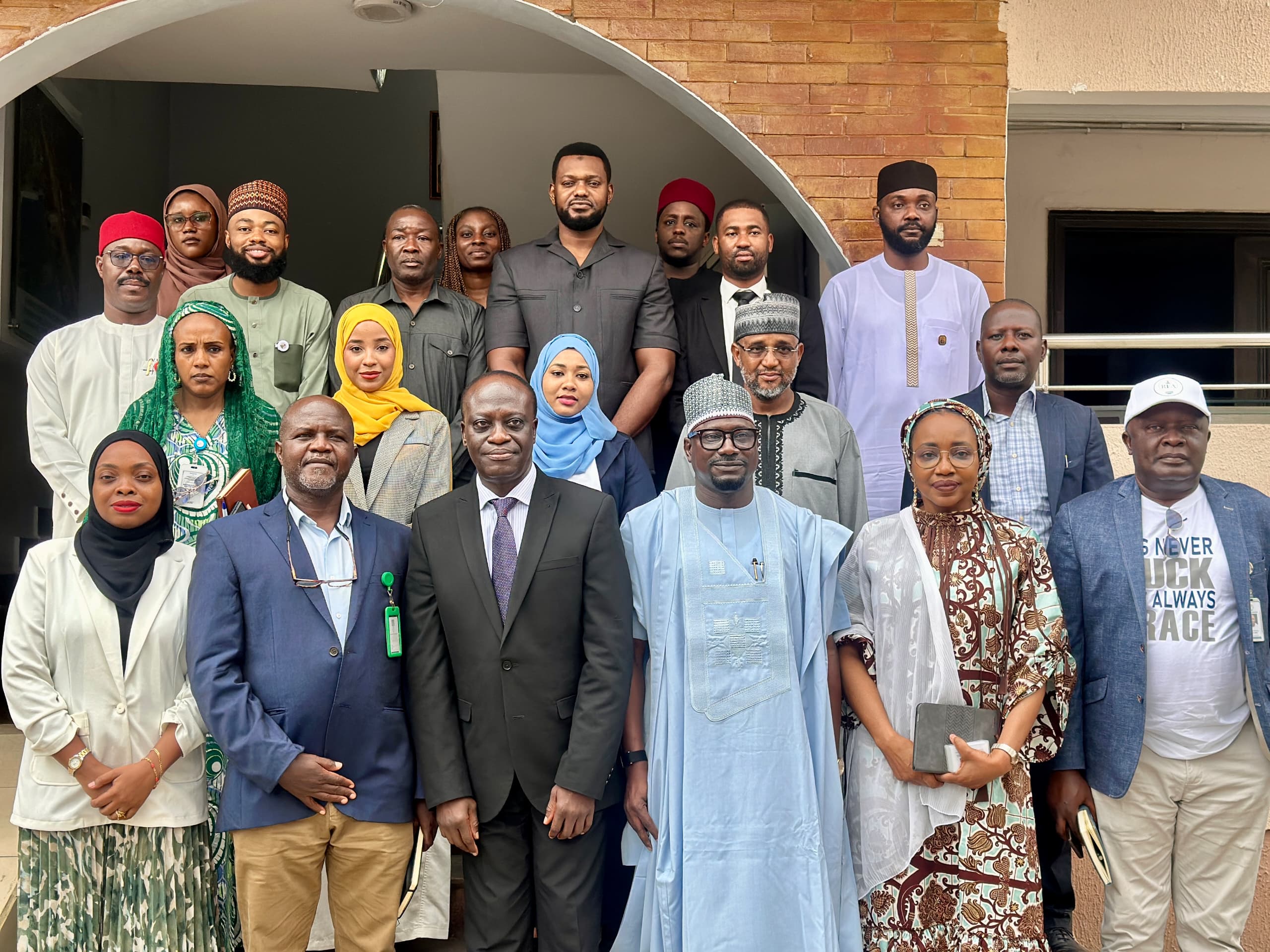
Beyond capital inflows, Aliyu said REA is working to align mini-grid deployment, electrification planning, and regulatory frameworks with state governments and federal ministries and agencies to function as a unified national system. He argued that this internal coordination has positioned Nigeria as a hub for peer learning across the continent, pointing to REA’s hosting of a delegation from Mozambique the previous year and, more recently, a delegation from the Zanzibar Utilities Regulatory Authority (ZURA). He described those exchanges as transparent conversations covering not just Nigeria’s successes but also its operational challenges, policy adjustments, and lessons learned in scaling off-grid renewable energy.
Aliyu framed REA’s accumulated institutional experience as a resource for the continent as a whole, arguing that Africa will reach universal energy access faster through coordinated collaboration between countries than through isolated national efforts. He said an incoming delegation from Sierra Leone is expected the following week, with additional exchange missions already lined up behind it, describing the pattern as evidence that African nations are increasingly choosing shared progress over working in silos.