


Yemisi Izuora
The Nigeria AfCFTA Coordination Office with support from the United Nations Economic Commission for Africa (UNECA) have made public the enhanced ‘ Market Access Guide and E-Commerce Platform’ created to assist women and youth business owners and traders in a Nigeria. This was done in collaboration with key partners, especially the Nigeria Export Promotion Council (NEPC).
The aim of these tools is to enhance the competitiveness of women and youth under the AfCFTA framework, by helping them understand areas of opportunity, how to access the markets where te opportunities exist, using the platform for visibility, matchmaking etc.
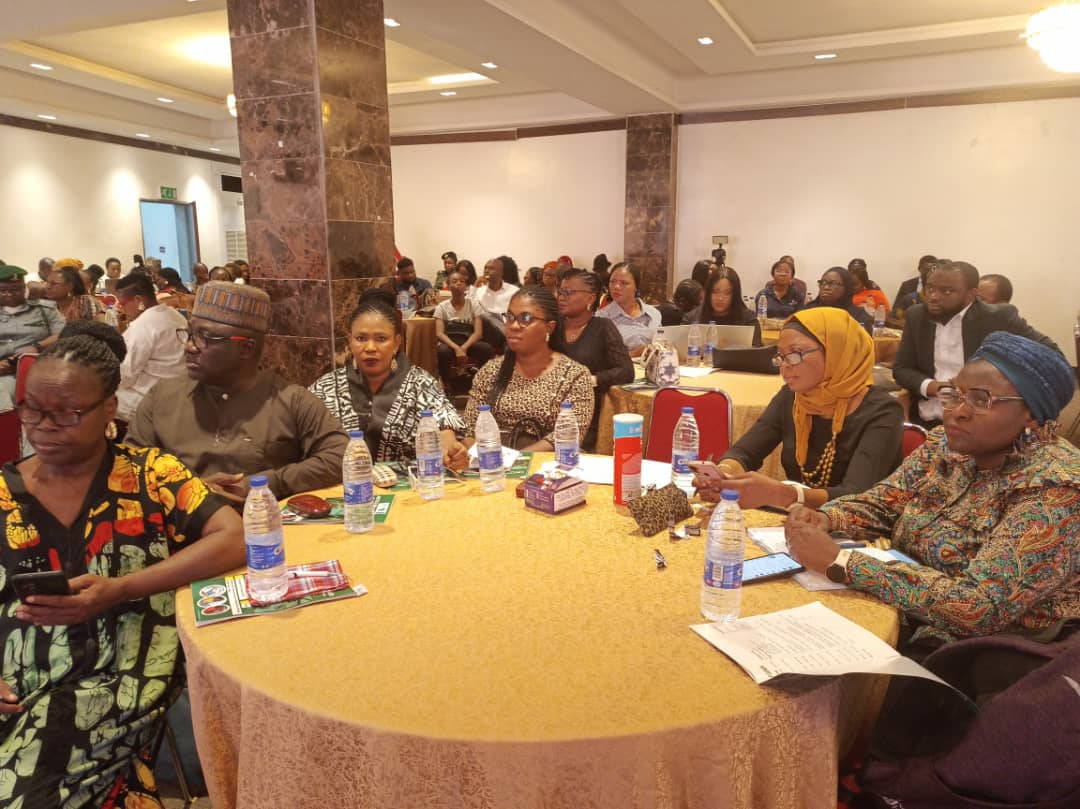
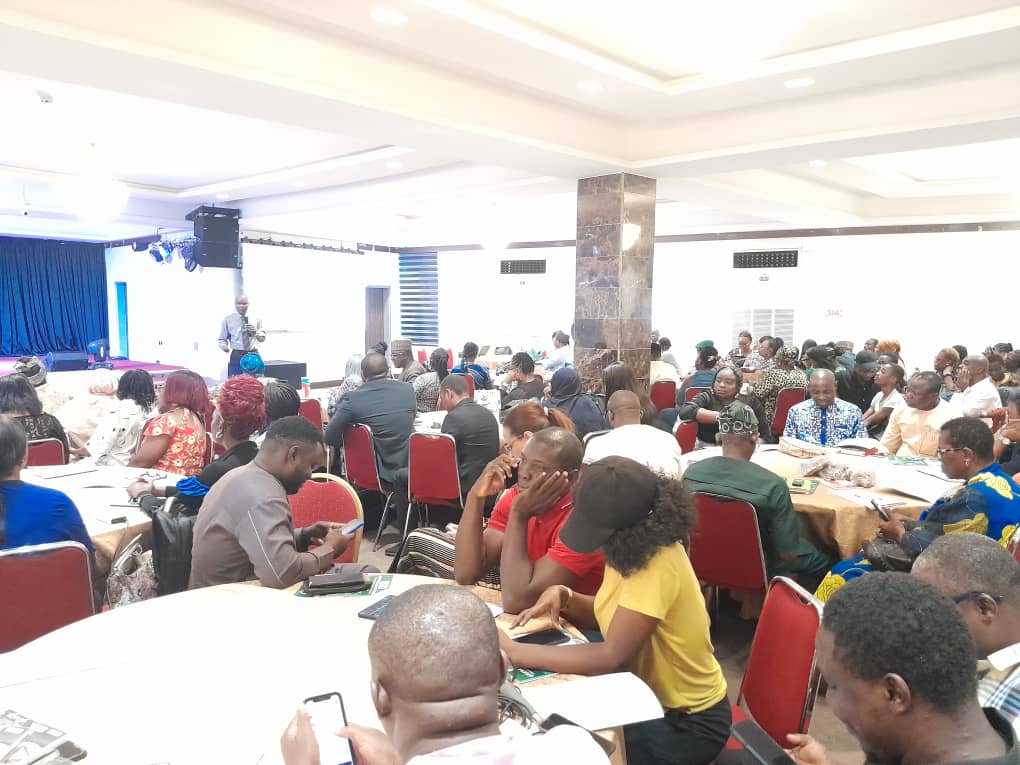
The final validation of the guide themed “Enhancing The Competitiveness Of Women And Youth In The AfCFTA” which took place in Lagos gathered various stakeholders, including the Federal Ministry of Industry Trade and Investment (FMITI), Central Bank of Nigeria (CBN), NEXIM Bank, Nigeria Export Processing Zones Authority (NEPZA), Standards Organization of Nigeria (SON), Nigeria Agricultural Quarantine Service (NAQS), National Agecy for Food, Drug, Administration and Control (NAFDAC), NEXPORTRADE, products and trade associations, and Small and Medium Enterprises (SMEs).

*The Nigeria AfCFTA Coordination Office, represented by Ms. Achimugu Franca expressed the commitment of the National coordinator, Mr. Olusegun Awolowo towards supporting Nigerian businesses to export under AfCFTA framework. She made it known that these tools were one of several efforts by the coordination office in ensuring that businesses make the most out of the AfCFTA.
She highlighted that the project which is 3-fold:
I. Undertake a study to identify 10 top traded products by women and youth in order to provide a clear understanding of the most economically significant products traded by women and youth and provide deep market insights to support market development;
II. Develop a step by step market access guide for these identified products;
III. Launch a marketplace platform that will support market visibility and entry for women and youth traders in the targeted 10 products; does not in any way imply that other products are not significant, but provides a foundation on which other priorities can be built.
Citing the Nigeria’s strategy for the AfCFTA, she made it known that product prioritization, capacity development on competitive production, providing trade information, forming business linkages, development of SEZs amongst others, have been identified as interventions necessary for implementing the AfCFTA in Nigeria; which is what the project draws from.*
Giving some highlights on the Guide, Abiodun Folarewo, the coordinator for the consulting firm FABID, states that the market assets Guide and Manual not boosts of new features, which include trade laws, exporting and importing guides so that the processes are made seamless.
For the e-commerce, Folarewo, said executing partners of the project have improved the landing page so that business operators can simply click on the e-commerce platform, see the product that are made available with information on those products in terms of what is their origin, what is their HS code.
The platform also makes it easy for people to see those that are trading in those products.
With the new features, and added frequently asked questions, it is easy for those who want to register as importers to understand the process as well as those who intend to register and trade on the AfCFTA.
“Those are the new features that have added to the platform, and then we have also added link to different organizations that are connected with trading.
“I7f I am searching for the Standards Organization of Nigeria (SON) I can easily click, I will see SON, and I can go to the platform of SON right from the portal and see what are the processes of requirement for registration, those are the things that we have added to the portals.” explained Folarewo.
He said the Market Access Guide will be ready in the next few weeks, so all we need to do is just deposit it with the Nigeria AfCFTA Coordination Office who is the owner, who will then distribute accordingly.
For the website, he said it is not yet in the public domain until it is certified by the AfCFTA Coordination Office, who will also need to bring together the different stakeholders, like we have the custom, NAFDAC and the rest, because each of them have role to play in ensuring that the portal works very well, because if you say that you’re an exporter, then you need to be certified for you to be able to trade using it.
He said the NEPC would certify the business as an exporter and the Corporate Affairs Commission (CAC ) will register your organization and your product is duly registered.

In addition it is the Nigeria Customs Service that will say that you have the necessary document, so it cannot just be placed on public domain until all the necessary institutions have signed up on it, he added.
Oriental News Nigeria reports that the main objectives of the Guide include provision of information about AfCFTA, its benefits to women and youth traders, how women and youth can conduct beneficial trade under AfCFTA, Nigeria’s implementation strategy under AfCFTA.
It also offer information on market access conditions in Nigeria’s trading partners among others.