


Yemisi Izuora
The African Development Bank (AfDB) has launched its first strategic framework for the development of public private partnerships (PPP).
Africa’s infrastructure investment gap is estimated at more than $100 billion a year which affects the living conditions of people and also the continent’s global competitiveness.
AfDB experts say public private partnership offer an additional way to increase private sector investments and a higher level of efficiency to develop and operate infrastructure assets on the continent.
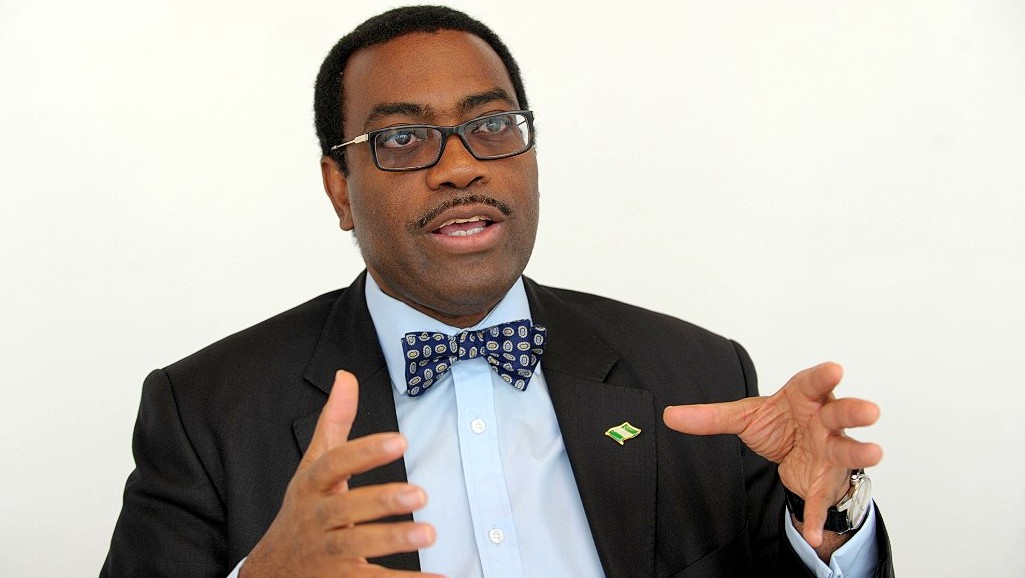
Group President of the Bank, Akinwumi Adesina said the new Framework would now form the bedrock of their engagement in the infrastructure sector. “This eagerly awaited strategic framework will go a long way to enabling the Bank to provide much-required assistance for the development and implementation of public private partnerships in our regional member countries, and we look forward to its success,” said Adesina.
PPPs are already a key feature of infrastructure projects the Bank supports across transport and energy sector projects on the continent. The Framework will streamline AfDB’s efforts across various departments and provide guidance on financial instruments and resources.
The AfDB Public-Private Partnership Strategic Framework is rooted to cover upstream support to ensure an enabling environment and capacity in member companies.
It also covers midstream support in particular project preparation and transaction advisory services to help structure projects achieve financial closure and downstream support to finance implementation of investment projects.
The Bank will also establish a dedicated special instrument, the Africa Public-Private Partnership Development Fund.
The Bank’s Private Sector, Infrastructure and Industrialisation Complex will coordinate the implementation of the Framework over a ten-year period, starting in 2022.
Solomon Quaynor, Vice President of the Complex, said the Framework would enable African countries to scale up private sector investment in the economic sector, including transport, energy and ICT and the social sector, including healthcare and education.
It would also ensure better debt sustainability and management, innovation and efficiency and enhance the competitiveness of their economies.
“The current global and African context, widening infrastructure gap and limited fiscal space, due to the COVID-19 pandemic, among other factors, builds a strong case for the Bank to scale up its support for public private partnerships, to crowd in more private sector investment in both economic and social infrastructure, and provides a foundation for the Bank to become a leading voice and financier of public-private projects in Africa,” said Quaynor.