

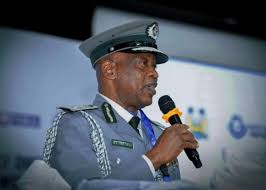
The Comptroller‑General of the Nigeria Customs Service, Adewale Adeniyi, has reinforced the country’s position as a regional driver of customs modernisation during the 32nd WCO Conference of Directors‑General of Customs for the West and Central Africa (WCA) Region, held in Freetown, Sierra Leone, from 7 to 8 May 2026. At the high‑level gathering, Adeniyi portrayed Nigeria’s leadership not as a quest for dominance, but as a shared responsibility to advance modern, efficient customs systems across the sub‑region.
Speaking in his dual capacity as NCS chief and WCO Council Chair, Adeniyi highlighted the WCA region’s unique model of rotational inclusiveness, where each member state has the opportunity to lead and host, irrespective of economic size. He described this practice as a bonds‑holding tradition that nurtures cohesion and mutual respect. “Whenever I take the chair, it is on behalf of every administration in this hall,” he said, underlining that regional solidarity is the foundation of his mandate.
The Comptroller‑General praised the World Customs Organisation Secretariat for sustaining an inclusive modernisation agenda that ensures all regions, including West and Central Africa, remain central to the development of global customs standards. He also commended the regional members of the WCO Policy Commission for championing the sub‑region’s interests in international policy circles. The summit in Freetown began with an official opening by Sierra Leone’s President, Dr. Julius Maada Bio, who stressed the importance of tighter regional coordination in improving trade flows, securing borders, and deepening economic integration.
The meeting’s theme, “A Customs Service that Protects Society Through its Vigilance and Commitment,” became a rallying point for debates on digital transformation and proactive enforcement. Sierra Leone’s Minister of Finance outlined the country’s customs modernisation roadmap, which includes upgrading the ASYCUDA World platform, implementing a Single Window Customs and Ports Community System, and rolling out Product Tracing and Fiscal Integrity tools for excisable products.
Over the two‑day session, participants assessed progress reports from the WCO Secretariat and the regional working group on the private sector, focusing on harmonising border procedures, strengthening real‑time information exchange, and reviewing budget and oversight structures. Emphasis was placed on the role of Single Window systems, the ECOWAS SIGMAT transit framework, and the customs implications of the African Continental Free Trade Area in areas such as risk management and data‑driven oversight.
Delegates agreed that free trade corridors must be underpinned by robust customs infrastructure that promotes legitimate business while stemming the flow of illicit goods and transnational crimes. The gathering concluded with the election of the Central African Republic as the new Vice Chair of the WCO West and Central Africa Region, succeeding Mali after it completed its two‑year chairmanship.