

Uche Cecil Izuora
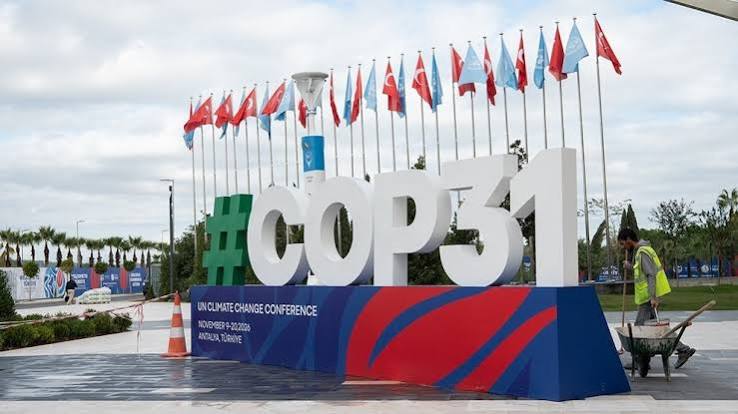
Developing Countries resistance to new energy commitments has stalled efforts to secure a global electrification agreement at the COP31 climate summit in Antalya, Turkey, even as U.S. Democratic lawmakers and state officials signal renewed interest in international climate cooperation. The developments highlight competing priorities surrounding energy security, economic development and the future direction of U.S. energy policy.
Turkey’s proposed “35 by 35” initiative seeks to increase electricity’s share of global final energy consumption to 35 per cent by 2035, compared with approximately 23 per cent today.
However, the Like-Minded Developing Countries negotiating bloc, which includes China, India and Bangladesh, has opposed incorporating the target into the summit’s final declaration, complicating efforts to secure international consensus.
The initiative has attracted support from more than two dozen countries and major electrical equipment manufacturers, including ABB and Schneider Electric. Negotiators are considering compromise language that could acknowledge the initiative without establishing a universally endorsed numerical target.
Meanwhile, the absence of an official U.S. delegation has created an opening for Democratic lawmakers, governors and local officials to promote continued American participation in climate initiatives. Approximately 120 representatives associated with the America Is All In coalition are attending COP31, including California Governor Gavin Newsom and Minnesota Governor Tim Walz.
Following Democratic congressional victories in November’s midterm elections, participating lawmakers have expressed interest in restoring U.S. engagement with the Paris climate agreement and developing additional climate legislation. However, President Donald Trump retains executive authority and veto power, limiting the potential for immediate changes in federal energy policy.
The Trump administration has emphasized fossil fuel development, energy affordability and domestic production while rejecting participation in the summit. Democratic representatives have instead highlighted renewable energy investment, electrification and state-level emissions reduction programs.
For international negotiators, the competing U.S. positions introduce additional uncertainty about the durability of future American climate commitments. Developing economies are simultaneously seeking greater financial assistance and flexibility to expand electricity access without restricting economic growth.
For energy investors, these developments reinforce the importance of distinguishing political commitments from enforceable regulations and funded infrastructure projects. Changes in U.S. climate policy could influence investment incentives for natural gas, renewable generation, nuclear power, electric vehicles and transmission infrastructure.
The underlying demand for electricity is expected to continue expanding regardless of the outcome at COP31.
Data centers, industrial electrification and economic development are increasing requirements for reliable generation capacity, while financing limitations and transmission bottlenecks remain significant obstacles.
Natural gas could retain an important role in supporting electricity systems as countries balance reliability, affordability and emissions objectives. Meanwhile, manufacturers of electrical equipment, utilities and infrastructure developers may benefit from expanding electricity demand even without a binding international agreement.
For institutional investors and family offices, the central considerations include regulatory stability, access to capital, infrastructure development costs and the potential for changing federal policies to affect long-term project economics.
With COP31 scheduled to conclude November 20, the negotiations underscore a broader challenge for global energy markets: governments increasingly recognize the importance of electrification, but remain divided over financing, energy sources and the pace of implementation.
Renewed U.S. political engagement may influence future climate discussions, although the immediate direction of energy investment will continue to depend on market fundamentals and national policy decisions