

By Esi-ife Arogundade
World Hypertension Day is observed annually in May, serving as a reminder of the importance of blood pressure awareness and management. This global health initiative carries even more significance as the world continues to adapt to lifestyle changes, rising stress levels, and an increasing prevalence of hypertension.
Hypertension, also known as high blood pressure, is a medical condition when the blood pressure in the blood vessels is continuously elevated. The more blood your heart pumps and the narrower your blood vessels, the higher your blood pressure.
High blood pressure typically does not cause symptoms, but in the long-term can result in coronary artery disease, stroke, chronic kidney disease, arrhythmia, dementia, heart failure and other cardiovascular diseases, making awareness and regular monitoring of blood pressure vital. This absence of symptoms and because it is also a major cause of premature death, affecting millions worldwide, including in Nigeria has given hypertension the nickname the “silent killer.”
According to the World Health Organization (WHO), an estimated 46 percent of adults with hypertension are unaware that they have the condition. Less than half of them (42 percent) are diagnosed and treated, while only approximately 1 in 5 adults (21 percent) have their hypertension under control. In-country, the Nigerian Hypertension Society (NHS) estimates that no fewer than 30 percent of the Nigerian adult population lives with hypertension, while only about 10 per cent of them are currently receiving treatment for the condition. Worse yet, less than 2.5 per cent of Nigerians with hypertension achieve blood pressure control or normal blood pressure.
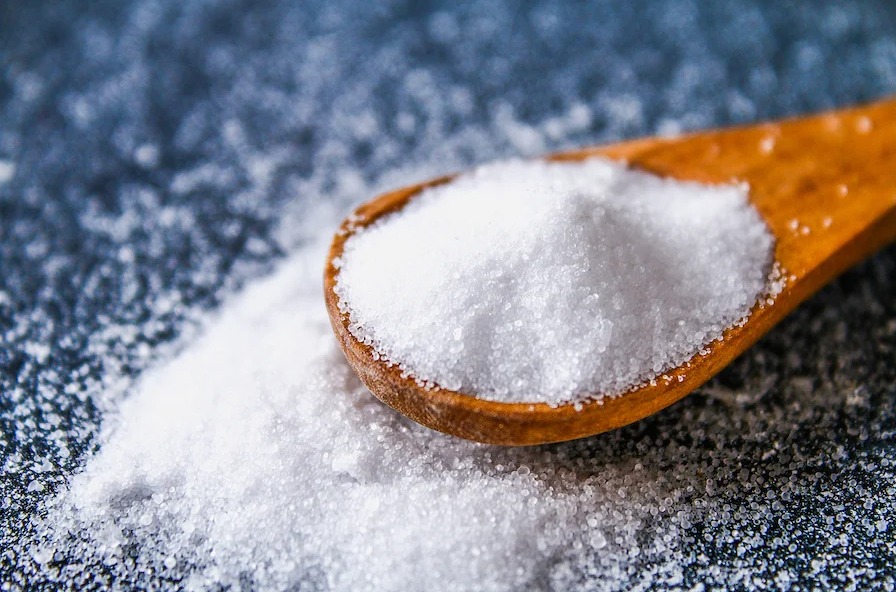
One of the global targets for non-communicable diseases (NCDs since 2010, has been to reduce the prevalence of hypertension by 33 percent by 2030. Central to this aim is curbing the major risk factors for hypertension: unhealthy diets – particularly those high in sodium (or salt), saturated and trans fats –, physical inactivity, smoking, excessive alcohol consumption, and obesity. Sodium is of particular significance. It is vital for nerve function and fluid balance, but excessive sodium intake increases risks of hypertension and cardiovascular diseases. The WHO recommends 2g sodium daily (5g salt), yet global consumption—including in Nigeria—exceeds this, driving preventable illnesses. Nigeria records an estimated daily salt consumption reaching up to 5.8 grammes per day, which exceeds the WHO’s recommended limit of two grammes of sodium per day or less than five grammes of salt per day, equivalent to just one teaspoon of salt daily.
Highlighting the scale of the problem during a ceremony to mark the 2024 Salt Awareness Week, Coordinating Minister of the Federal Ministry of Health and Social Welfare (FMoHSW), Ali Pate stated that no less than 10 percent of cardiovascular disease deaths in Nigeria are attributed to the burden of excessive sodium consumption.
Towards addressing the issue, Nigeria launched a National Sodium Reduction Guideline in April, a major milestone in the government’s efforts to reduce salt consumption, create a healthier food environment and prevent cardiovascular disease. The guideline was developed by the FMoHSW with support from Corporate Accountability and Public Participation Africa (CAPPA) and other key local and international partners,
At the launch, Minister of State for Health and Social Welfare, Dr. Iziaq Adekunle Salako urged the National Agency for Food and Drug Administration and Control (NAFDAC) to begin enforcing sodium limits and called on the food industry to embrace product reformulation, noting that these changes would not undermine profit or commerce but are essential for reducing the national burden of NCDs such as hypertension and cardiovascular disease.
Recognizing where salt hides in our food is essential, as many processed and packaged foods contain high levels of sodium, often without our awareness. Hence, Corporate Accountability and Public Participation Africa (CAPPA) has urged the Federal Government to expedite the development of regulations aimed at enforcing salt targets in processed and packaged foods.
Furthermore, CAPPA, strongly supports the implementation of front pack labelling on food products as an effective strategy to combat excessive salt intake. Clear and concise nutritional information displayed prominently on packaging allows consumers to make healthier choices. Instead of deciphering complicated lists of ingredients and nutrition facts, consumers can quickly assess the sodium content of a product at a glance. These labels serve not only to inform consumers but also to encourage manufacturers to reduce salt levels in their products. With growing awareness about the health risks associated with excess sodium, companies may feel compelled to reformulate their recipes, leading to a healthier food supply.
Additionally, quitting smoking and moderating alcohol intake are vital steps toward heart health.
Let’s take the opportunity to prioritize our health by becoming more aware of our salt consumption. By making conscious, informed choices today, we can work towards a healthier, more balanced future for ourselves and our communities.
Arogundade is Healthy Food Advocate at Corporate Accountability and Public Participation Africa (CAPPA).