

Uche Cecil Izuora
Kaduna State is steadily shedding its old image of instability and redefining itself as a model of progressive, results‑driven governance in Nigeria. Under the leadership of Executive Governor Senator Uba Sani, the state is rolling out a deliberate brand‑repositioning strategy anchored on innovation, rural integration, and a renewed focus on human capital, transforming Kaduna from a “Center of Learning” in name to a center of opportunity in practice.
This rebranding gained fresh recognition during a recent facility tour led by the 2026 National Institute of Public Relations (NIPR) Week Organizing Committee, with Chairman Yomi Badejo‑Okusanya expressing surprise at the scale of visible progress. He noted that the external narrative about Kaduna had long been dominated by downside stories, but the delegation encountered a different picture: modern skill‑development centres, expanded rural infrastructure, and a palpable improvement in security and public service delivery.
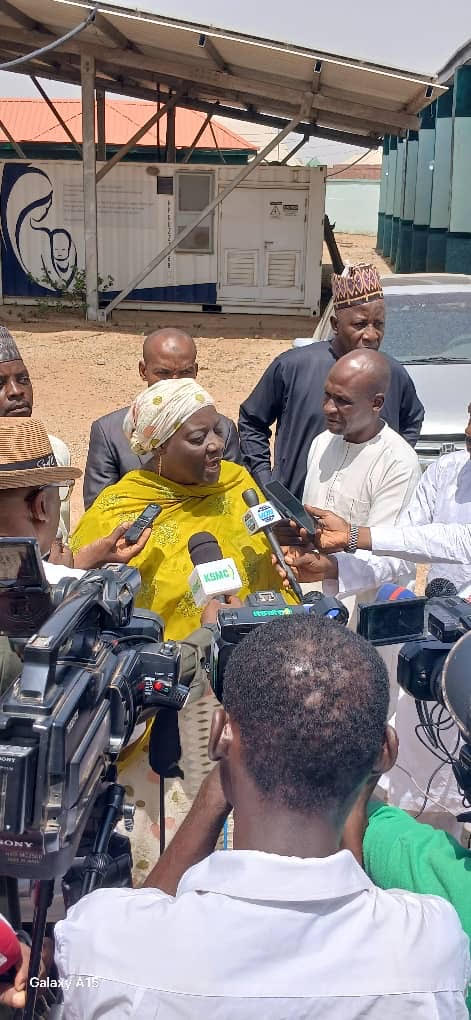
At the heart of the new Kaduna identity is a drive to put people at the center of governance. The state has overhauled its primary healthcare system, upgrading all 255 Primary Healthcare Centres to operate 24 hours, powered by solar energy, and equipped with staff quarters. The Health Commissioner, Dr. Umma Kaltume Ahmed, said these changes are backed by a 15% allocation of the state budget to health and a deliberate policy to align the remuneration of state health workers with federal standards, curbing the exodus of skilled professionals.
The state is also industrializing education and training through specialized hubs such as the Balarabe Musa Skill Acquisition Centre in Rigachikun, one of three such centres spread across the senatorial districts. Accredited by the National Board for Technical Education (NBTE), these facilities host ICT labs, welding workshops, and textile departments, aiming to equip around 32,000 youths annually with practical skills that open doors to jobs and entrepreneurship. Information Commissioner Hon. Ahmed Maiyaki described the initiative as a strategic peace‑building and productivity investment, replacing despair with real economic options for young people.
Kaduna’s “Rural Transformation” brand is embodied in projects like the 35‑kilometer Gadan Ganyang–Gwaraji road, which links 66 farming communities to the main urban economy. By constructing bridges and improving access, the state is linking farmers to markets, students to schools, and patients to clinics, narrowing the gap between rural and urban areas.
In the cities, the state is reimagining urban logistics and mobility. The newly developed Southern Terminal functions as a multi‑functional transport hub housing fire stations, police posts, mechanic workshops, and accommodation for drivers, enhancing safety and efficiency. The government’s intervention in public transport has also earned public goodwill: workers in Kaduna enjoy free daily commutes, a policy said to have saved the state approximately ₦1.8 billion in related costs.
The rebranding further extends to sports and tourism. The Ahmadu Bello Stadium, now under full state control, is slated for a major expansion from 16,000 to 32,000 capacity, positioning Kaduna as a key destination for major sporting and cultural events on the national stage.
Through infrastructure, policy, and consistent delivery, Kaduna is sending a clear signal: the state is no longer defined by its past but by its ambition for the future. With governance serving as the engine of the new brand, Senator Uba Sani is proving that credible, visible progress can be the most powerful form of public relations a sub‑national government can deploy.