

Yemisi Izuora
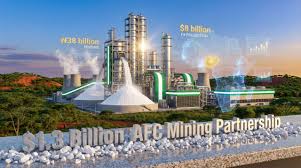
Experts have identified the recent Nigeria and Africa Finance Corporation (AFC ) $1.3 billion mining investment deal as representing a comprehensive approach to value-chain integration, combining processing infrastructure, geological surveying, and investment framework development within a single strategic initiative.
The transformation of Africa’s mining sector increasingly depends on strategic partnerships that address fundamental infrastructure and data deficiencies. Nigeria’s recent alliance with the Finance Institution exemplifies how institutional collaboration can overcome barriers that have historically constrained resource development across the continent.
The partnership addresses three critical gaps that have limited African mining potential: inadequate processing infrastructure, insufficient geological data, and limited institutional capacity for project aggregation.
By tackling these challenges simultaneously, the initiative creates a template for resource development that extends beyond traditional foreign direct investment models.
The investment framework encompasses multiple interconnected components designed to maximise economic multiplier effects. The alumina refinery serves as the cornerstone, with supporting elements including nationwide geoscience mapping and a strategic investment vehicle for smaller-scale operations.
The refinery component utilises modern Bayer-process technology, capable of processing 1 million tonnes of bauxite annually into approximately 950,000 tonnes of alumina. This represents Nigeria’s entry into value-added mineral processing, moving beyond raw material exports that have characterised previous resource development efforts. Furthermore, this approach reflects broader bauxite project benefits observed in similar developments worldwide.
The on-site power generation component eliminates dependency on Nigeria’s unstable electricity grid, a critical factor given that power costs can represent 20-30 per cent of operating expenses in comparable African mining operations. This infrastructure bundling approach reduces operational risk whilst creating potential surplus capacity for surrounding industrial development.
Similarly, Guinea’s dominance in West African bauxite production demonstrates the sector’s potential contribution to national economies. However, Guinea’s resource dependency also illustrates the importance of value-added processing rather than raw material exports, a lesson embedded in Nigeria’s alumina refinery approach. According to Reuters, this represents “a significant shift towards value-added processing in African mining operations.”
The projected economic contributions extend significantly beyond direct alumina production revenues. Annual GDP additions of $1.2 billion represent approximately 588 per cent of Nigeria’s current total mining sector revenue, indicating the transformative scale of this investment.
The foreign exchange component addresses Nigeria’s balance-of-payments pressures, particularly significant given recent naira volatility and oil revenue concentration risks.
The projected $400 million annual foreign exchange earnings could represent 10-15 per cent of Nigeria’s typical monthly oil revenues, providing meaningful diversification benefits.
Secondary economic effects include local equipment manufacturing opportunities, transportation infrastructure improvements, and port facility modernisation for alumina exports. The refinery’s maintenance and replacement cycles create ongoing demand for specialised equipment, potentially supporting domestic manufacturing capacity development.
professionals, addressing historical skill gaps that have constrained exploration activities across Nigeria’s mineral-bearing regions. In addition, this capacity building aligns with the broader mineral exploration importance for developing economies.
Nigeria’s mining sector currently contributes approximately 1 per cent of GDP, significantly below regional leaders. This Nigeria AFC $1.3 billion mining investment positions Nigeria to narrow the development gap with more established mining economies in West Africa.
The AFC’s investment track record across African mining projects exceeds $900 million since 2014, providing relevant experience in regulatory navigation, infrastructure development, and market access. This institutional experience reduces execution risk compared to partnerships with entities lacking African resources.
The refinery’s technical specifications position Nigeria as an incremental contributor to global alumina markets rather than a disruptive force. With global alumina demand projected to reach 150 million tonnes by 2030, Nigeria’s estimated 950,000 tonnes annual production represents approximately 0.6per cent of market share.