

Uche Cecil Izuora
Nigeria’s power sector is deeply challenged across its value chain producing catastrophic challenges and defying surgical solutions.
Most particularly the national power grid is squarely prone to frequent collapses, with the resulting power shortages proving an obstacle to economic growth and investment in the country.
The World Bank estimates that the Nigerian economy loses $29 billion a year due to its unstable power supply, which causes electricity blackouts across the country.
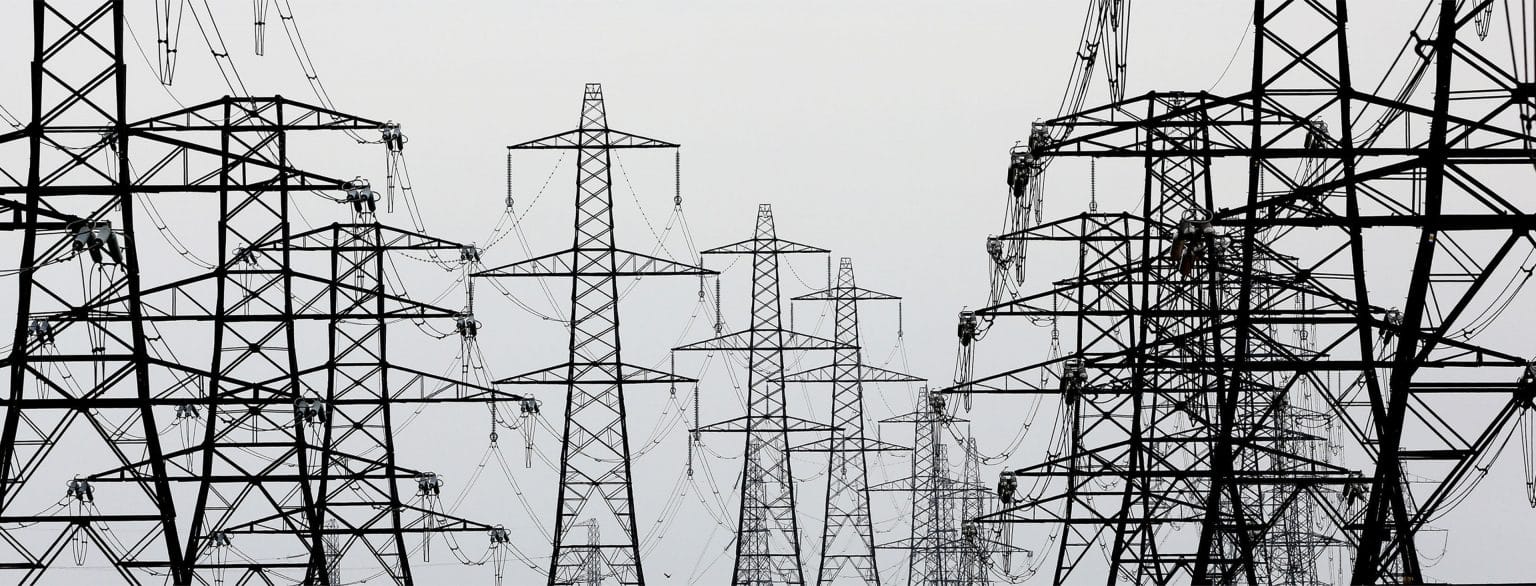
Nigeria’s aging power infrastructure is at the heart of the crisis while the Transmission lines and substations, some of which are more than 40 years old, are prone to frequent failures.
The State run Transmission Company of Nigeria (TCN) reports average transmission losses of 7.79 megawatts for every 100 megawatts injected into the grid.
Years of under-investment have left the grid susceptible to tripping when demand fluctuates unexpectedly, said Lagos-based energy lawyer Ayodele Oni.
Compounding this is vandalism and attacks on transmission infrastructure, especially in Nigeria’s north. In the last two years, TCN recorded 108 attacks on its towers and lines.
Another major factor is that Nigeria, with a population of more than 200 million people, only generates and distributes a third of its installed generation capacity of 13,500 megawatts.
And despite having the world’s seventh-largest gas reserves, Nigeria produces less than 10 per cent of the electricity generated by South Africa, a country with a population a third the size.
More than 75 per cent of Nigeria’s electricity comes from gas-fired power plants, primarily located in its southern region and the remainder is generated by hydroelectric stations in the north.
While more than 100 nations wanted to cap plastic production, a handful of oil-producers were prepared only to target waste.
Power generation firms feed electricity into the national grid, controlled by the federal government, which distributes it through 11 regional distribution companies to consumers.
More than a decade after Nigeria privatised its electricity sector, Nigeria’s grid has barely improved.
But last year the government allowed its 36 states to generate and transmit their own power. States like Lagos, the nation’s commercial hub, and five others have already begun developing independent power markets.
The government is also working with the World Bank to build 1,000 mini solar grids to expand power access in rural areas
“A more resilient approach is needed in Nigeria to incorporate decentralised energy sources, such as solar power paired with storage, to complement the national grid,” said Sherisse Alexander, chief business officer at independent power producer WATT Renewable Corporation