

Uche Cecil Izuora
Nigeria has adopted a structured meter supply model that will allow import substitution to support in-country production as it accelerates smart meter delivery to meet demand.
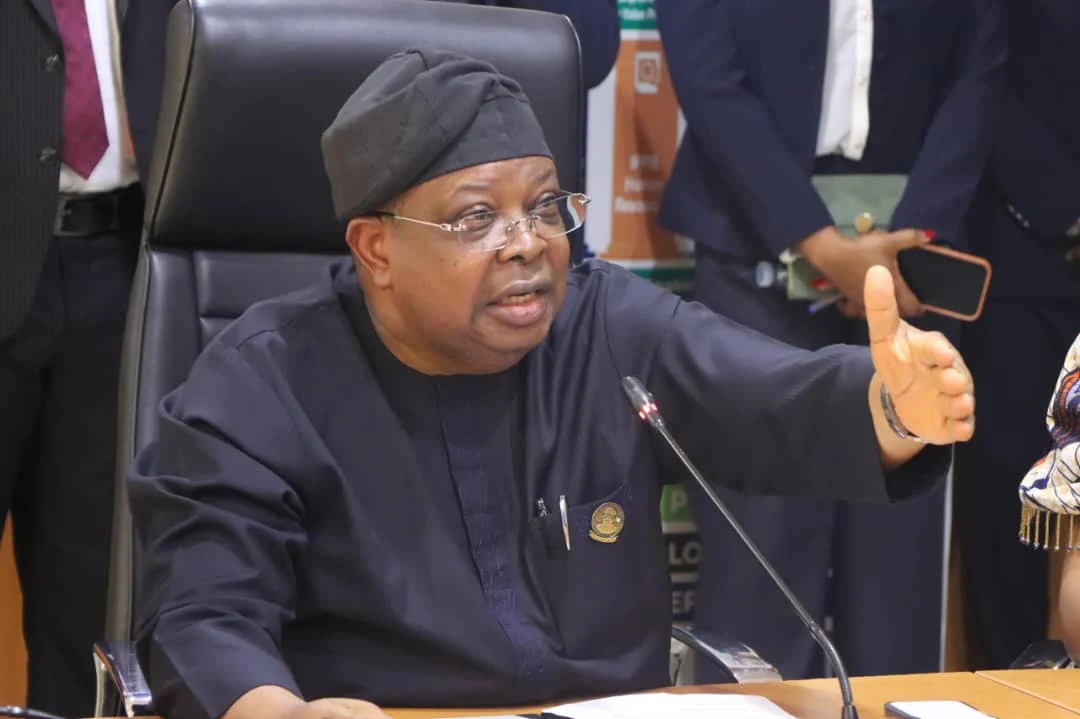
The Power Minister Joseph Tegbe, said under the presidential meter initiative about seven million meters would be installed in the next three years as the country matches on to address tariff shortfalls.
He told the media in Lagos, that through the Presidential Metering Initiative, Nigeria is moving decisively towards universal metering because consumers deserve transparency, fairness and confidence that they only pay for the electricity they actually consume.
The Minister said local meter producers would be supported to provide backup and opportunities for local content is being firmed to unlock more opportunities for the local industry.
He said to prove sincerity of government in that regard about 5,000 youths are being trained on installation of meters and the training will increase to about 500,000 youths as the size of the market keeps growing.
The current administration he informed has also prioritised investment in transmission infrastructure, expanded rural electrification, strengthened institutional coordination across the electricity value chain, and continued to pursue reforms that encourage private capital while preserving the public interest.
Tegbe, said the country’s ongoing power sector reforms will accelerate infrastructure development, strengthen the national grid, and restore investor confidence, expressing confidence that the measures will improve electricity supply in Africa’s most populous country.
Tegbe said the comprehensive reforms are expected to address longstanding structural challenges in the power sector to make electricity supply more accessible, reliable, and financially sustainable.
Despite an installed generation capacity of more than 13,000 megawatts and a population exceeding 230 million, Nigeria generates only about 5,000 megawatts of electricity that households and businesses depend on. The national grid has suffered repeated collapses in recent years, disrupting electricity supply across large parts of the country.
Highlighting the growing adoption of renewable energy, Tegbe said that many factories, offices, and commercial facilities now generate more electricity than they consume through solar power systems.
Nigeria’s net-metering policy would allow consumers to feed surplus electricity back into the national grid, he said, adding that a new solar farm is expected to be commissioned within the next six months.
According to the Minister, the government is advancing power sector reforms by addressing technical, commercial, governance, and liquidity challenges that have constrained the industry’s development.
He also dismissed media reports that the government plans to remove electricity subsidies, saying the government would begin implementing measures to resolve this challenge by next year.
“Our objective is clear: make electricity more available, make the grid more reliable, make the market financially sustainable, and restore investors’ confidence,” Tegbe said.
He added that the government would measure success not only by electricity generation but also by improved access to reliable power for households, businesses, and industries