

Uche Cecil Izuora
The electricity market in Nigeria is facing multiple challenges even in the face of reforms embarked upon after several years of partial privatization of the sector.
According to public sector analysts, Nigeria’s electricity generation companies are again sounding the alarm over a mounting liquidity crisis, warning that nearly ₦1 trillion in unpaid obligations and more than ₦2.37 trillion worth of stranded generation capacity are threatening to further destabilize the country’s fragile power market.
Speaking in a television interview with CNBC, Fedicorp Chief Executive Officer Dr. Chuukkeloka Ume said the latest concerns reflect not a new crisis, but a long-running structural failure in the Nigerian electricity value chain one that continues to leave power producers underpaid, transmission infrastructure overstretched and outdated, and investors wary of committing fresh capital.
Ume, points that the immediate debt burden confronting generation companies, or GenCos, is only one part of a much broader problem. Even if the government were to settle outstanding obligations, he said, the sector would quickly slide back into distress unless deeper bottlenecks in transmission and distribution are resolved.
“What we’re seeing now is nothing different from what we’ve seen before,” Ume said, arguing that while other countries have moved ahead, Nigeria remains trapped in a cycle of recurring power shortages, underinvestment and policy uncertainty.
For Africa’s most populous nation, the scale of the mismatch is stark.
Nigeria, with a population exceeding 200 million, still produces an average of roughly 4,000 megawatts of electricity daily, Ume said. He described that output as grossly inadequate for a country seeking industrial growth and broader economic development, adding that Nigeria should be targeting installed capacity of at least 100,000 megawatts and functional output around 60,000 megawatts to support a stable national grid.
At the center of the GenCos’ complaint is the payment framework under power purchase agreements.
Ume explained that electricity tariffs for producers typically include two key elements: a capacity charge and an energy charge. The capacity charge is meant to compensate generating companies for maintaining plants that are ready to produce power, whether or not that power is eventually dispatched onto the grid. The energy charge, by contrast, is paid only for electricity actually sent out.
That distinction is critical, he said, because every megawatt of installed generation capacity requires substantial capital to build and significant ongoing spending to maintain. Without timely payment of both components, GenCos struggle to meet obligations to lenders, investors and equipment suppliers.
The result is that debt continues to pile up, even as generation companies maintain assets that the broader electricity network often cannot fully utilize.
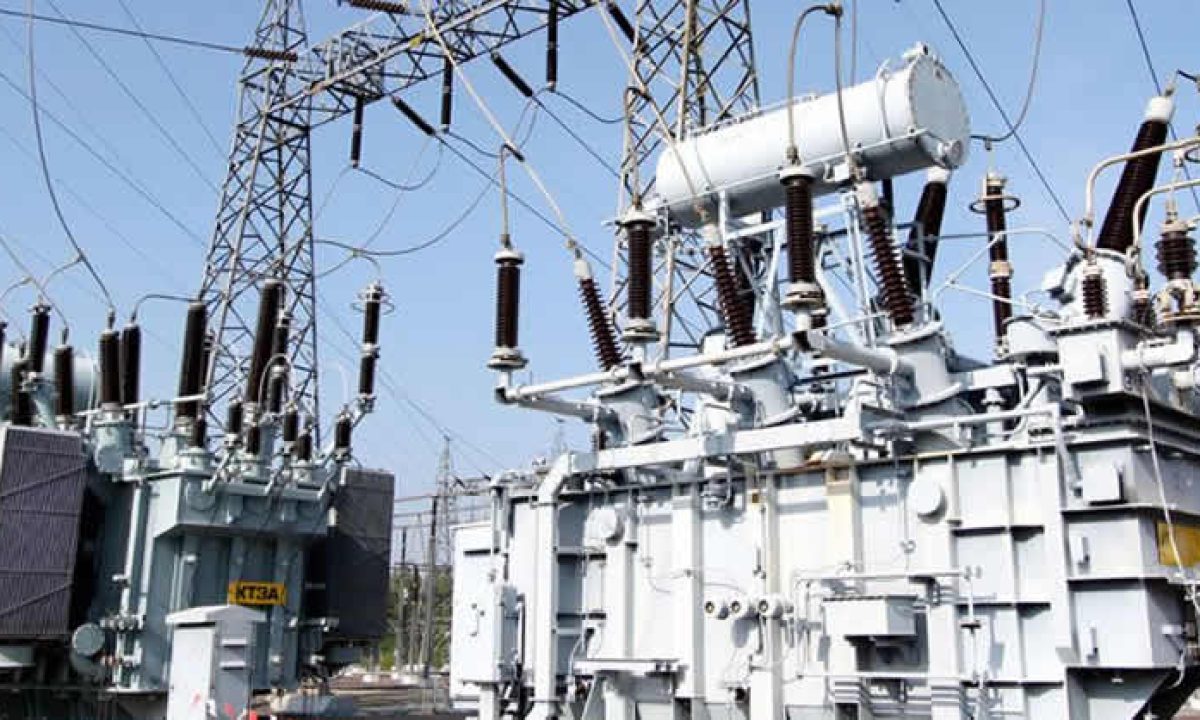
Ume argued that Nigeria’s stranded capacity problem is driven primarily by the inability of the transmission and distribution segments to evacuate and deliver available power. In effect, generation plants may be capable of producing more electricity, but weak grid infrastructure and poor downstream distribution performance mean much of that capacity remains unusable.
“So no matter what we produce today in Nigeria, we’re not even capable of dispatching it over the transmission lines that we have,” he said, adding that distribution companies are also operating below optimal levels.
On transmission, Ume was especially blunt. He said the Transmission Company of Nigeria, which remains government-owned and government-operated, has failed to deliver the efficiency and investment required to modernize the system. While public funds continue to be spent on the network year after year, he said the results have been limited because the country is trying to maintain infrastructure that is already outdated.
Using a car maintenance analogy, Ume said even a relatively new vehicle will deteriorate quickly without regular servicing and replacement of key parts. In his view, Nigeria’s transmission network has suffered from years of inadequate modernization and maintenance, leaving it ill-equipped to support significant increases in power generation.
His solution is sweeping: full privatization of the transmission network.
Ume dismissed arguments that the national grid should remain under state control for national security reasons, saying such concerns do not justify the continued inefficiency of the current arrangement. Instead, he said private operators should take over the network, inject the capital needed for upgrades, and run transmission as a commercially viable business.
“If we want to get it right, then it needs to be privatized immediately,” he said.
The comments come as policymakers consider a proposed amendment to the Electricity Act, a move that Ume said risks undermining the decentralization goals of the 2023 law. He argued that the earlier reform path was intended to further unbundle the sector and give states greater authority over their own electricity markets.
But renewed efforts to deepen federal oversight, he warned, could reverse that progress by limiting the powers of state governments and state regulators.
Such regulatory back-and-forth, Ume said, sends a troubling signal to both domestic and foreign investors. In a capital-intensive industry like power, where projects require long-term planning and financing, policy reversals can increase perceived risk, delay investment decisions, and raise the cost of capital.
Investors, he said, want a stable regulatory framework that allows them to understand the rules and project future returns with confidence. When those rules appear subject to sudden change, some investors choose to stay away altogether, while others demand a premium to account for uncertainty.
That financing challenge is already acute. Ume noted that power-sector investments should ideally be funded with long-tenor, low-interest loans, reflecting the long-term nature of power assets. In practice, however, some operators are forced to rely on expensive short-term borrowing, including loans with tenors as short as three or four years.
That mismatch between asset life and financing structure makes it difficult to build sustainable infrastructure and adds another layer of pressure to an already strained sector.
The warning from GenCos underscores the persistent fragility of Nigeria’s electricity market at a time when reliable power is increasingly seen as essential to industrialization, job creation and broader economic competitiveness. Unless the country tackles its transmission bottlenecks, distribution inefficiencies, mounting debts and regulatory uncertainty in a coordinated way, the industry’s financial stress could deepen — leaving consumers and businesses to bear the cost of a system still unable to deliver power at the scale the economy needs