

Valentine Okafor
The Nigerian Independent System Operator (NISO) has embarked on peace negotiations aimed at resolving the Enugu State Electricity Regulatory Commission (ESERC) tariff disruption and ensure sector market stability.
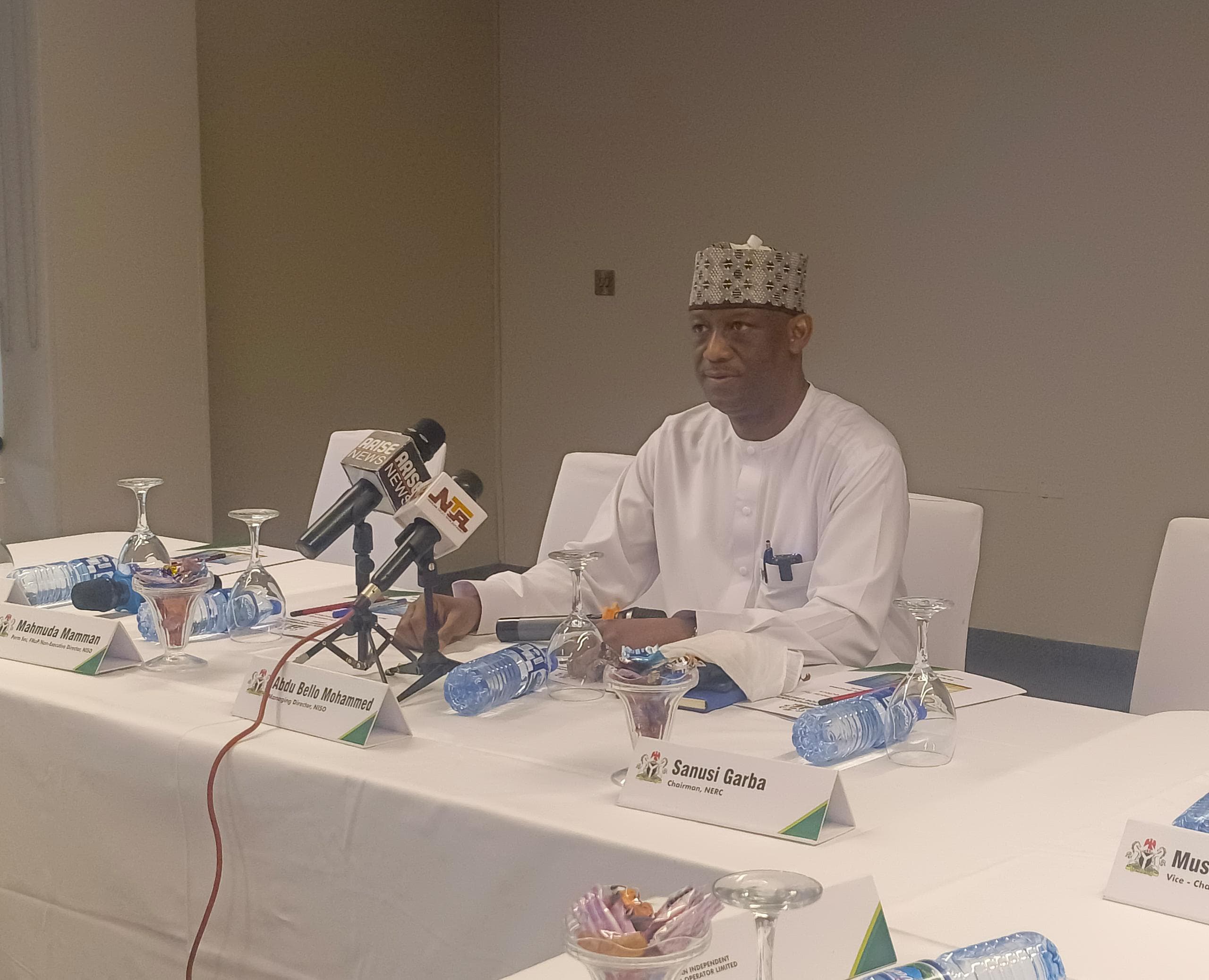
The Managing Director and Chief Executive Officer of NISO, Abdu Bello Mohammed, said this while declaring open a stakeholder engagement on tariff adjustment by the EERC on Wednesday, August 13, in Abuja.
He said the meeting was prompted by recent action by the EERC in revising the electricity tariff within its state.
He noted that the action, though within the state-level regulatory authority under the Electricity Act 2023, had drawn attention nationwide.
He urged respective states’ electricity regulatory commissions and distribution companies (DisCos) in various franchise areas to ensure their actions do not disrupt the Nigerian electricity industry.
Mohammed, expressed the belief that the intention of the Enugu Electricity Distribution Company (EEDC) to curtail power supply to the state by up to 50 per cent in reaction to the tariff adjustment, if allowed to come into effect, would have serious operational implications.
“Such a measure, if implemented, could have serious operational implications, particularly at the TCN–DisCo interfaces where power transfer capacity Service Level Agreements (SLA) are managed.
“We believe that fair electricity prices, sustainable business operations, and a stable electricity market are not mutually exclusive goals — they are interdependent. Achieving all three requires dialogue, transparency, and coordination among all relevant institutions,” the NISO boss said.
The Enugu State has been experiencing a lingering power outage that has left parts of the state in darkness.
The challenges started when, on July 21, the EERC reduced Band A electricity tariff to N160/kWh from N209, which raised concern among electricity distribution companies (DisCos) and electricity generation companies (GenCos).
It had led the EERC to summon MainPower Electricity, the successor to the EEDC, to address the vending challenges faced by customers.
The Nigerian Electricity Regulatory Commission (NERC) had said EERC has no regulatory power to fix the electricity price when the power is generated and transmitted from the national grid.
At the meeting on Wednesday, the NISO boss said he believes that achieving electricity market stability requires coordination and cooperation among stakeholders in the value chain.
“In simple terms, NISO is responsible for both commercial balance in the market and also for ensuring technical stability and operational compliance — both of which may be affected by the current situation.
“Hence, this intervention meeting is to ensure that no action disrupts the Nigerian electricity market stability, the integrity of contracts, or operational obligations that guarantee reliable supply to Nigerians,” Mohammed explained.