


By YEMISI IZUORA
From available data and stakeholder perspective, Nigeria’s insurance industry has not excelled in any facet of business, and seen to still be at embryo stage.
At the 2023 Oriental News Nigeria conference themed, “Building Local Content Synergy between the Oil and Gas and the Insurance Sector in Nigeria” stakeholders and analysts opined that the industry should step up and be more proactive to remain relevant.

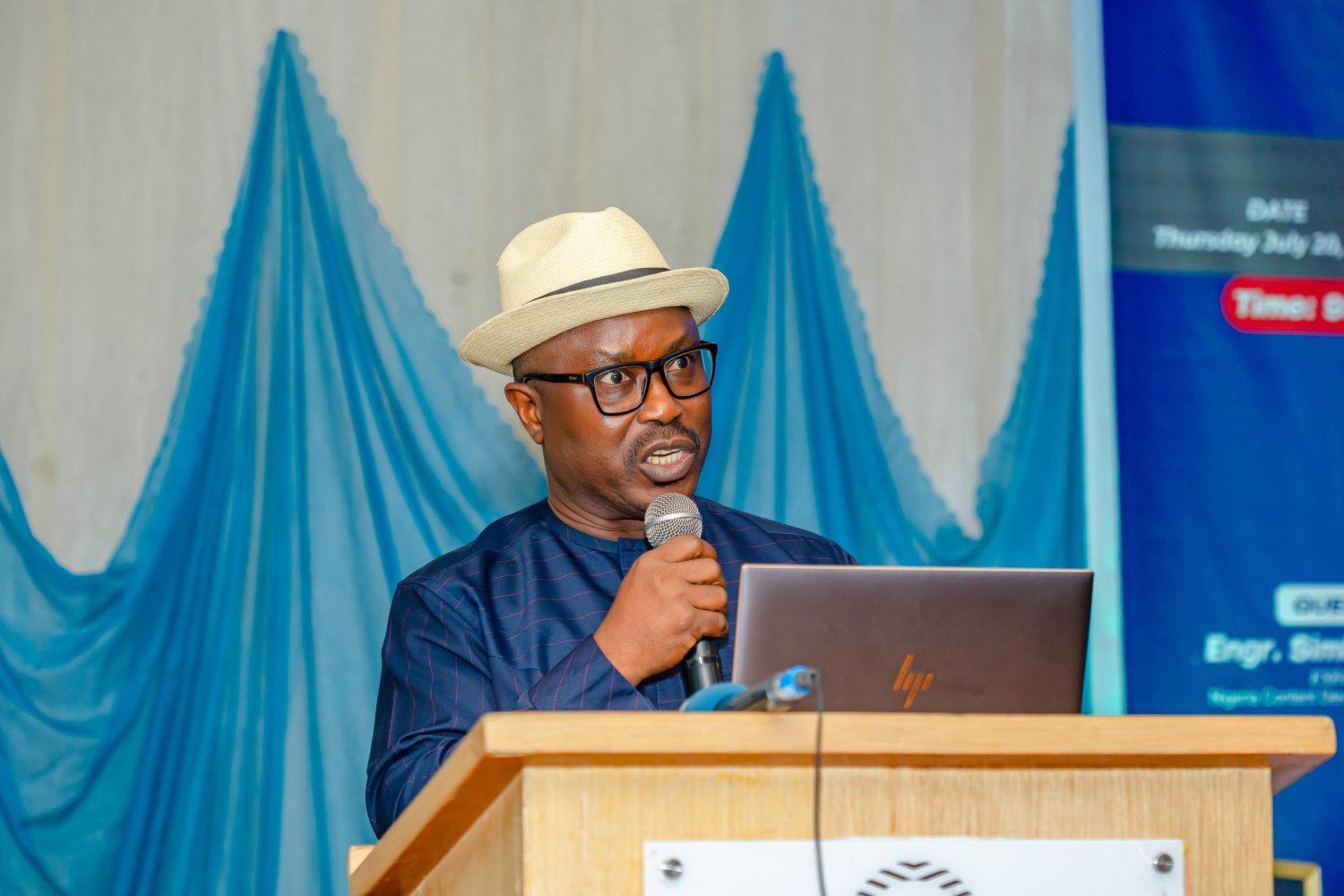
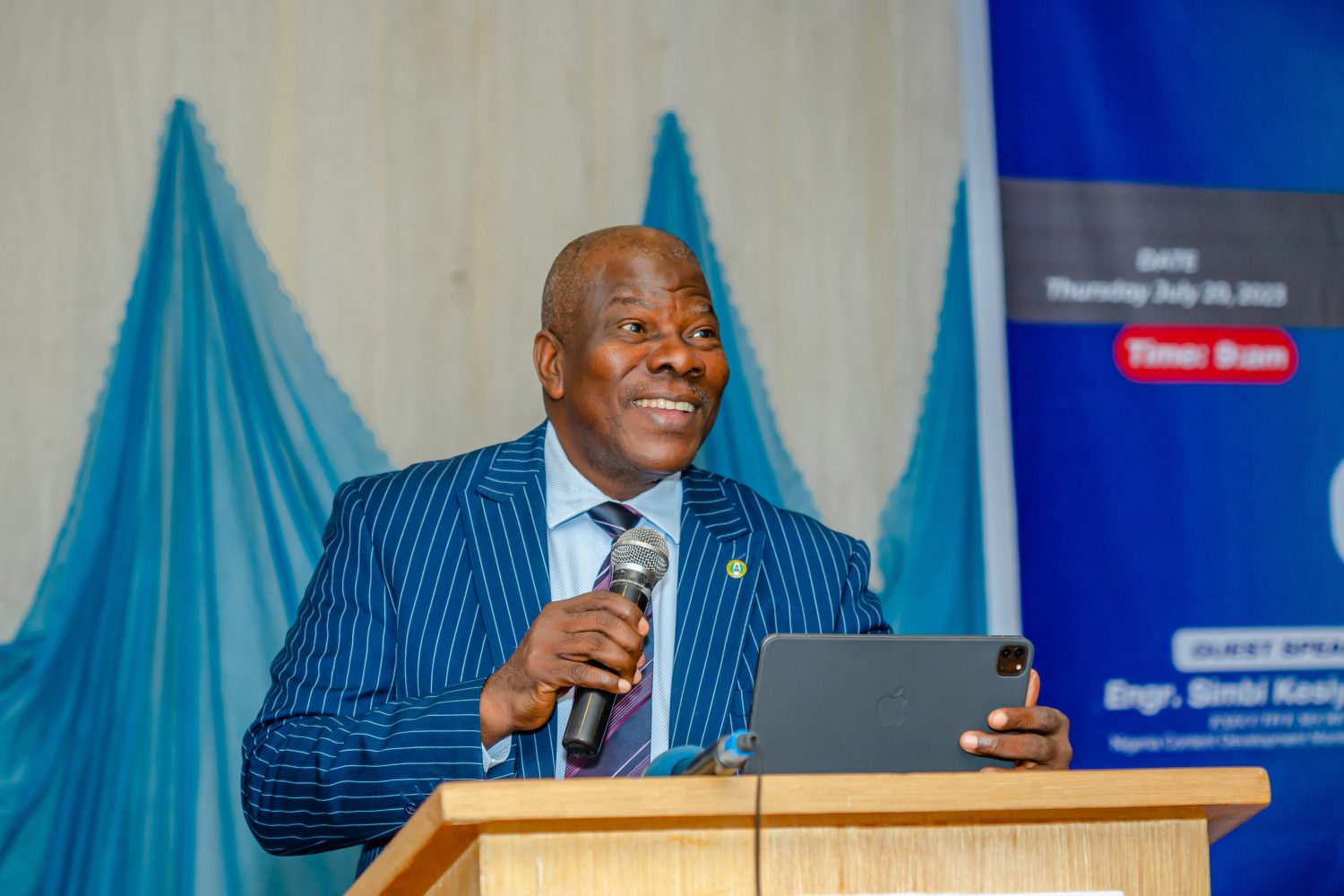
Delivering Engr. Simbi Kesiye Wabote’s Speech at the Summit
It is on the basis of this poor performance that the Nigeria Content Development Monitoring Board, NCDMB, at the summit craved the understanding and support of the insurance sector to strengthen the Boards desire towards the implementation of the Nigerian Oil and Gas Industry Content Act, NOGICD, in the sector.

The Executive Secretary, ES, of the Board, Simbi Wabote, said over the years, the Board has taken deliberate steps to forge collaboration with various critical stakeholders to support the attainment of its strategic goals and mandate.
Wabote, who was represented by Mr. Daziba Patrick Obah. Director, Corporate Services of NCDMB, said that stakeholders’ engagement and collaboration is one of the key enablers to the Board’s ten-year strategic road map designed to achieve 70 per cent Nigerian content performance by the year 2027.
This he said is the reason for various engagement and collaboration between NCDMB and several MDAs, including the National Insurance Commission, NAICOM which crystalized in the joint issuance of the Insurance Guideline in 2022 to support the implementation of the insurance requirements contained in Sections 49 and 50 of the NOGICD Act 2010.
The main benefit of the guidelines according to Wabote, is the creation of a database of all insurance programs procured by the operators, project promoters, alliance partners, and Nigerian indigenous companies, to enable the Board monitor utilization of in-country insurance capacity thereby enhancing in-country value retention.
“It is worthy to emphasize that collaboration between government agencies is crucial for effective public service delivery through alignments of areas of strength, better decision-making, sharing of resources, optimization of opportunities and better understanding of issues and challenges with policy implementation.
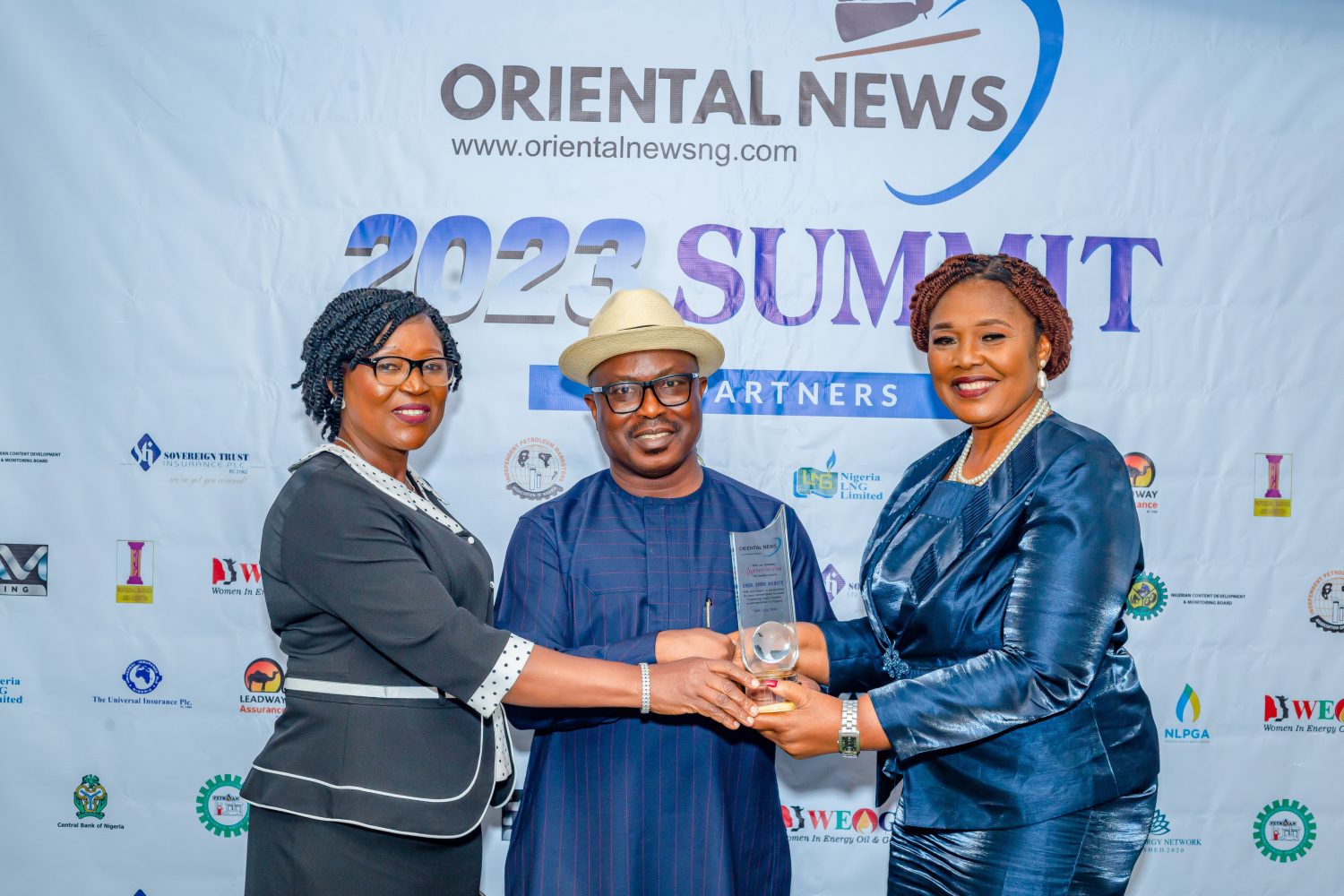
“This ultimately, create huge benefits for both country and citizens, as it enables collaborating agencies to understand and respond to the needs and expectations of Nigerians. In NCDMB, we recognize the importance of collaboration and synergy amongst government organizations and other stakeholders to the fulfilment of our statutory mandate.
The Executive Secretary described the theme of the conference as apt and timely as it underscores the imperative of fostering the much-needed collaboration and synergy amongst MDAs and critical stakeholders; in this case between two critical regulators in the Oil and Gas Industry and the Insurance Industry.
“There is no doubt that Nigeria has not extracted sufficient value across the Nigerian oil and gas industry value chain since the commencement of hydrocarbon mining in Nigeria. It is this very low indigenous participation in the hydrocarbon value-chain in Nigeria that necessitated the enactment of the NOGICD Act in 2010 with the sole aim of deepening local content in the nations’ economy.
“Similarly, the performance of the insurance sector, particularly in relation to oil and gas businesses, is also sub-optimal due to various reasons.” Wabote observed.
Speaking further he said that building synergy between these two critical sectors of our economy holds huge potentials for growth and development of the Nigerian economy, adding, “The summit, therefore, presents a great opportunity for key stakeholders to brainstorm on the benefits and challenges impeding optimal performance in these two critical sectors. Furthermore, this summit offers us a strong veritable platform for the Insurance Industry, the Oil and Gas Industries, and other stakeholders to articulate processes, procedures, and practices to forge sustainable collaboration in optimizing opportunities and harnessing benefits for themselves as Nigerians.”
Dwelling more on the legislation, he said that, “In addition to various provisions of the NOGIC Act and the Insurance Act, Sections 49 and 50 of the NOGICD Act specifically provide concrete basis for NCDMB and NAICOM to work together to extract maximal value from both the Insurance and the Oil and Gas Industry for the Nigerian economy.
The Section 49(1) states: “All operators, project promoters, alliance partners and Nigerian indigenous companies engaged in any form of business, operations or contract in the Nigerian oil and gas industry, shall insure all insurable risks related to its oil and gas business, operations or contracts with an insurance company, through an insurance broker registered in Nigeria under the provisions of the Insurance Act as amended”
Also, Section 49(2) states:Each operator in subsection (1) of this section shall submit to the Board, a list of all insurance companies and insurance brokers through which insurance covers were obtained in the past six months, the class of insurance cover obtained, and the expenditures made by the operator while Section 50 states, No insurance risk in the Nigerian oil and gas industry shall be placed offshore without the written approval of the National Insurance Commission which shall ensure that Nigerian local capacity has been fully exhausted.”
Wabote further noted that Section 49 makes it mandatory for operators, project promoters and other entities in the oil and gas industry to obtain insurance coverage for all insurable risks with insurance companies and brokers that are registered in Nigeria in line with the Insurance Act (as amended).
“It is important to note that Section 50 forbids entities in the oil and gas industry from offshore placement of any insurable risks except with the written approval of NAICOM. The essence of these two provisions of the NOGIC Act is to ensure full utilization of available in-country capacity in the insurance sector by oil and gas industry players. The goal ultimately is to promote more capital retention in country and to boost the capacity of Nigerian insurance companies and brokers to support the Nigerian oil and gas industry.
“To give life to these sections of the NOGIC Act, NCDMB and NAICOM set up a Technical Committee which developed the structures and strategies to promote and ease interface between both regulatory institutions. One of the tools to ease the interface between the two bodies involved the development of the NOGIC JQS Statutory Reporting Module which makes submission of insurance performance report by oil and gas companies to NCDMB automatically accessible to NAICOM for prompt review and feedback to NCDMB. The benefit of this virtual interface is to reduce the turnaround time and to promote the ease of doing business. NCDMB and NAICOM are still fine-tuning the Application Programming Interface to enhance its functionality and efficiency.” he said.
Speaking on seeming, challenges, the ES, said, “Despite the commitment of both agencies to optimize the benefit of the NOGICD Act and the Insurance Act, there are still some obstacles in the way of full implementation. One of the challenges of utilizing Nigerian loss adjusters or brokerage firms is the low capital base of the insurance industry. Closely related to it is the capacity of local insurance firms to underwrite the huge loss associated with a typical upstream petroleum project.”
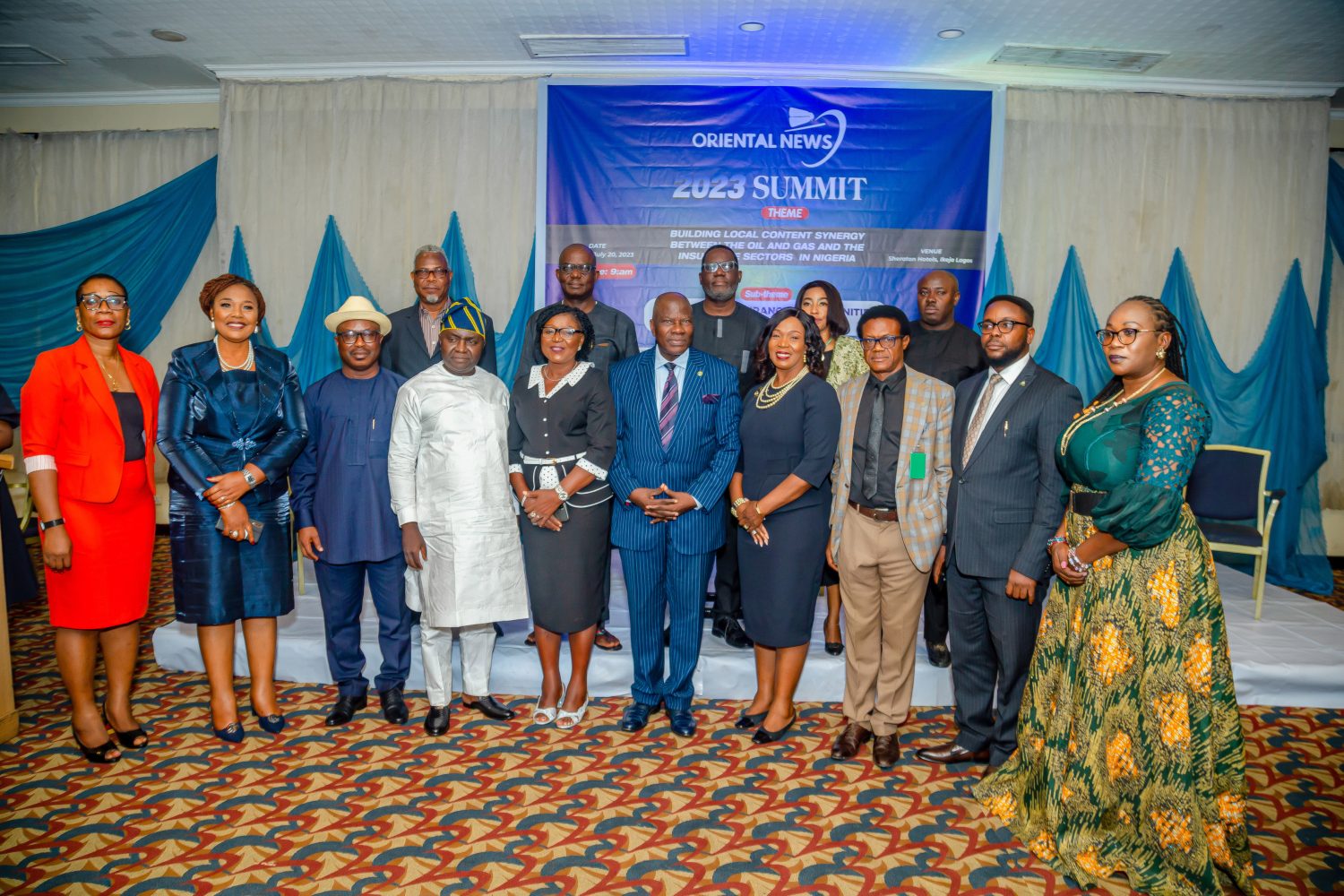
He said, however that in response, NAICOM has made remarkable efforts to mitigate some of these limitations, but a lot still needs to be done.
He added that inthe spirit of collaboration, NCDMB is poised to work with NAICOM as a credible partner every inch of the way to get around some of these obstacles particularly within the boundaries of our statutory mandate.
On the way forward he said the Board will not only look at the challenges of building sustainable synergies but will also come up with feasible proposals to encourage collaboration to surmount impediments.
“To address the issue of low capital base of the industry, for example, we call on all stakeholders to support NAICOM to push for an increase in the minimum capital base of insurance companies.
“Secondly, NAICOM and other stakeholders need to also work assiduously to forge and promote mergers of insurance companies to enhance their efficiencies and improve their market share as part of their collective benefits.
I am aware that some steps have been taken in this direction, but these efforts need to crystallize into reality.” he added.
Also speaking at the conference, Chief Executive Officer, CEO of the Center For The Promotion Of Private Enterprise, CPPE, Dr. Muda Yusuf predicted that the value of Nigeria’s oil and gas industry currently at N12 trillion based on Gross Domestic Product, GDP in 2022, is set to progress further with ongoing Reforms

Yusuf, said the oil and gas industry in Nigeria is a multi-billion dollars industry and the prospects for the growth of the industry have heightened considerably.
The CPPE boss said the growth opportunities is further informed by new investment prospects valued at over $50bn showcased by international and indigenous companies at the last Nigerian Oil and Gas Opportunity Fair (NOGOF) in Yenagoa, Bayelsa State.
These prospects are projected to be developed within five years and are phenomenal opportunities for the insurance industry.
Additionally, the Petroleum industry Act, PIA, he continued has unlocked tremendous investment potentials in all aspects of the oil and gas sector – upstream, downstream and service sectors and has created much better regulatory and institutional environment for investment growth across the broad spectrum of the sector.
Unfortunately, he said the insurance which is a N647 billion industry going by its contribution to the country’s GDP in 2022 is a mere 0.32 per cent of our GDP.
In a N202 trillion economy, this is not a significant contribution, he opined.
“This underscores the fact that the sector has enormous prospects for growth amid the huge potentials that exist in Nigeria.
“The sector contributes to the growth of the economy through the provision risk indemnification and transfers. The industry players also deliver value as institutional investors in the economy.”
Yusuf noted.
He said the theme of this summit is quite apt and the good news is that the Nigeria Oil and Gas Industry Content Development Act already provides a robust legal and regulatory framework for synergy between Insurance Industry and the Oil and Gas sector in Nigeria. Speaking further he said, “But we need a solid framework for collaboration and partnership between the insurance community, the oil sector investors, the NAICOM and the Nigerian Content Monitoring and Development Board, NCMDB to be put in place to harness the enormous potentials
” let me advise insurance industry players to strengthen their public policy advocacy to boost the demand side of insurance by ensuring compliance with current provisions with respect to mandatory insurance as current level of compliance is extremely weak.”
He also advised the industry to promote and deepen insurance premium subsidy in critical areas of the economy such as agriculture, health and climate change projects among others.
In his speech the Commissioner for Insurance, National Insurance Commission (NAICOM), Sunday Thomas said the Commission has intensified its ongoing drive to facilitate platforms that address the demand-supply gap in the oil and gas Industry.
Commissioner for Insurance
NAICOM
Thomas, said that the synergy between the two industries would encourage specialized insurance products that meet the needs of the oil and gas industry.
He said the Commission was poised to address all potential regulatory impediments, support the development of human capacity and ensure technical capacities of insurance suppliers in the industry.
Others, he said include adequate risk pricing, comprehensive coverages and risk management.
“As a regulator, we are committed to creating an enabling environment that will consistently enhance increased capacity of the insurance institutions, both financially and technically.
“Beyond our promises and without pre-empting the paper presenters and discussants, I will express the need for reciprocal expectations from the operators in the oil and gas sector.
“One of which is timely compliance with the requirements of the guidelines, jointly issued by the commission and the Nigerian Content Development and Monitoring Board (NCDMB).
According to him, the drive toward enhancing local content speaks to the long-term plan of the government, burn out of good intention and strategy to grow its economy, develop the Nigerian industries and human capital.
Thomas explained that prior to the Nigeria Oil and Gas Industry Content Development Act of 2010 (NOGICD ACT), the Insurance Act 2003 made provisions for the domestication and domiciliation of insurance services in Nigeria.
He said that this is stated, in Section 65(7), which made it compulsory for any property located in Nigeria, whether moveable or immovable to be insured with a Nigerian registered insurer.
The commissioner said Section 67 requires that insurance of all imports into Nigeria must be insured by registered insurers.
Thomas stated that the historical relationship between both the oil and gas, and insurance industries could be traced to the birth of the latter, following the issuance of the NOGICD ACT.
He expressed that the insurance industry, in collaboration with the NCDMB, brainstormed and came up with the issuance of the Guidelines for oil and gas insurance business issued in 2010.
According to him, the guideline, among others, stipulates the roles and responsibilities of insurance institutions in ensuring compliance with local content law.
He, however, said that was with the primary consideration of ensuring actual exhaustion of available In-Country Insurance Capacity.
Thomas said the overall aim of the guideline is the development of indigenous content through increased local participation.
“The synergy between both industries was renewed when both agencies identified the need for a veritable platform for inter-agency collaboration.
“This is in order to give effect to the requirements of Sections 49 and 50 of the NOGICD Act 2010 by providing guidance to operators in the oil and gas, necessary for satisfying the provisions of the law in relation to insurance transactions.
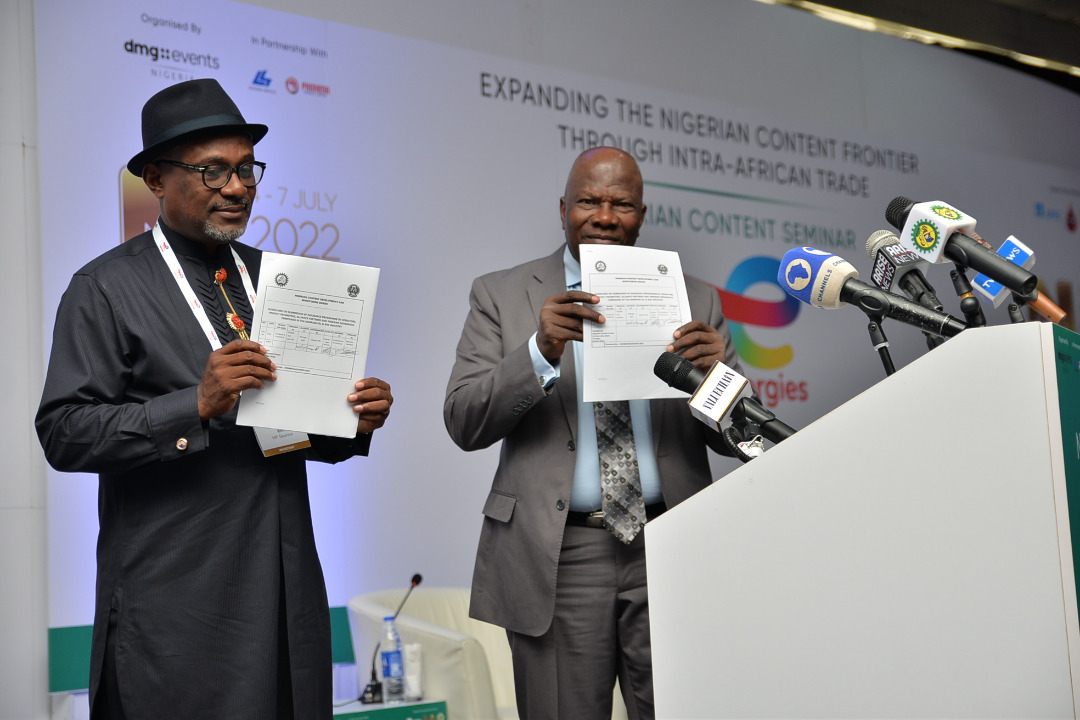
“The journey for the renewed collaboration transited to the signing and unveiling of the guidelines on submission of insurance program by operators, project promoters, Alliance partners, and indigenous companies in the Nigerian oil and gas industry,” he said.
According to him, NAICOM has shown a positive attitude to market development by the release of the Soundbox Guidelines which is an instrument to test ingenuities in the market.
Thomas said, the commission sought to facilitate and promote innovative insurance solutions that would address the gaps in current insurance offerings.
The NAICOM boss stated that following the mandate to develop indigenous capacities to participate in the oil and gas industry, both regulators would collaboration to facilitate and promote adequate assessment of the needs of the oil and gas industry.
He noted that both regulators must also be able to influence the behavior of Insurers, Reinsurers and Brokers in manners that address the needs for national growth and development.
Deepening Collaboration To Drive Growth
The Board is saddened that Nigeria lost over $380bn before the Nigerian Oil and Gas Industry Content Development Act was enacted in 2010.
Wabote, said this while speaking at a sensitisation workshop for the Rivers State judiciary in Port Harcourt on Thursday, with the theme, ‘‘Philosophy and imperative of the Nigerian Oil and Gas Industry Content Development Act’.
Wabote who spoke virtually, explained that local content was not about nationalisation of foreign firms, but about domiciliation and domestication for local value addition.
According to him, “Despite Nigeria’s enviable hydrocarbon and human resources, it is disheartening to note that only a small, insignificant proportion of the oil and gas industry value was retained in the country.
“Prior to the enactment of the Nigerian Oil and Gas Industry Content Development Act of 2010, almost all value-adding activities were done overseas, and this resulted in significant capital flight, which was estimated to be at about $380bn over a 50-year period.
“This resulted in over two million job losses, as most jobs were also executed by foreigners. Furthermore, less than five per cent of Nigeria’s yearly oil and gas industry spending was retained in the country.”
He said local content needed foreigners and foreign direct investments to thrive.
The NCDMB boss stated, “It is important to note that local content is not about nationalisation; it is about domiciliation and domestication for local value addition.
“It needs foreigners and foreign direct investments to thrive. Local content is not a corporate social responsibility, it is a business. Local content is a marathon, not a sprint; and local content is not at all cost.”
Wabote added, “Local content has no ’one-size-fits-all approach or solution; local peculiarities are key considerations in implementation; what that means is that local content needs in Nigeria may not be the same in other countries like Qatar, local content obtainable in Nigeria or Qatar depends on the peculiarity of the country.
“As always, our message remains simple: we want partakers in the Nigerian oil and gas industry to produce, process, refine, manufacture, add value, retain value, pay taxes here and create jobs here in Nigeria.”
He also said Nigeria lost over two million jobs prior the NOGICD Act, as most jobs were executed by foreigners.
The one-day sensitisation workshop for members of the Bench and the Bar in the Rivers State capital, Port Harcourt, was part of its sustained effort to raise awareness on the Nigerian Oil and Gas Industry Content Development (NOGICD) Act among critical stakeholders in the oil and gas industry.
Wabote, revealed that In-country value retention in the oil and gas industry hit 54 per cent as of December 2022, surpassing the 42 per cent target set for that year, with the implication that Nigeria now retains at least $10.8 billion of the $20 billion average annual spend of the oil and gas industry.
Wabote, said the Judiciary as the key institution for interpretation of laws is a stakeholder deserving of thorough acquaintance with the salient provisions of the NOGICD Act.
According to him, the event was “in line with similar workshops organized for Federal High Court Judges, Justices of the Court of Appeal and Supreme Court Justices in 2018 and 2019 in partnership with the National Judicial Institute.”
The NOGICD Act, he explained, was borne out of a resolve to reverse the trend in several decades of oil exploitation during which “only a small, insignificant proportion of the oil and gas industry value was retained in the country.”
According to him, “all value adding activities were done overseas, and this resulted in significant capital flight which was estimated to be at about $380 billion over a 50-year period.”
Local content was a paltry five per cent, and job losses were in the range of two million during the period “as most jobs were also executed by foreigners.”
With the NOGICD Act and a regulatory agency, the NCDMB, in place, a dramatic turnaround has been achieved through creative and effective implementation of the Board’s core mandates – Develop Local Capacities and Capabilities without Comprising Standards and Monitor and Enforce the Provisions of the NOGICD Act, 2010.
On key provisions of the NOGICD Act, the Executive Secretary drew attention to Sections 70, 104, and 59 among others. Section 70 sets out the functions of the NCDMB as well as some regulations. The Board is to “Engage in targeted capacity building interventions,” “Manage and grow the Nigerian Content Development Fund,” “Approve Nigerian Content Plans and issue Certificate of Authentication,” among other responsibilities.
Sections 3, 12, and 28 deal with fields of industry operations where Nigerians must have First Consideration. It says such consideration “Shall be given to Nigerian operators in the award of blocks and licences; Nigerian goods and services in the evaluation of bids,” and in the employment and training of workers.
Section 104 prescribes the creation of a Nigerian Content Development Fund, while Sections 37, 38, and 39 deal with Research and Development. In Section 59, the focus is on Effective Monitoring of the Implementation of the Act.
With a “10-Year Strategic Road Map” instituted in 2017 as compass, targeting 70 per cent Nigerian content by the latter date, Engr. Wabote highlighted milestones in capacity building attained thus far in the upstream, midstream and downstream subsectors of the industry.
These include two world-class pipe mills and pipe coating yards in FOT Onne, Abuja, Port Harcourt, Lagos; 40 per cent of marine vessels now owned by Nigerians; major fabrication yards (SAIPEM, AVEON, Nigerdock, EWT Nestoil, SHI MCI Yard, MG Vowgas Yard) with a combined nameplate capacity of 250,000 metric tons per annum, and Floating Production Storage and Offloading installation (Egina FPSO), Lagos, the largest of its type in Africa.
Others are establishment and strategic positioning of start-up companies under Project 100; the Nigerian Oil and Gas Parks Scheme (NOGAPS) under which low-cost manufacturing hubs for equipment components and spares are being built; completion and commissioning of a 50 million standard cubic feet gas processing plant and 300 mmscfd gas gathering hub for gas supply into the OB-3 pipeline in Kwale, Delta State, in partnership with Nedo Gas; over 14 million manhours of training covering mandatory sea-time experience, subsea systems, software and hardware modules and enterprise development, and targeted interventions in selected universities across the country.
Earlier in opening remarks, NCDMB’s Manager, Legal Services, Mr Naboth Onyesoh, Esq, expressed appreciation for the large turnout for the event, noting that judges and lawyers deserve to know what NCDMB is and how it works, just as knowledge of its enabling law is important.
Earlier, the Rivers State Governor, Sir Siminalaye Fubara, had declared open the Sensitization Workshop, themed “Philosophy and Imperative of the Nigerian Oil and Gas Industry Content Development Act,” with commendation of the NCDMB “for being alive to its statutory responsibilities.” Represented by the State Attorney-General and Commissioner for Justice, Professor Zacchaeus Adangor, he said, “the intendment of the NOGICD Act is laudable” and that “implementation is crucial,” requiring boldness and courage.
The State Chief Judge, His Lordship, Hon. Justice Simeon Chibuzor Amadi, in his own goodwill message noted that the “benefits of the workshop to Judges are enormous.” According to him, adjudication in oil and gas requires understanding of the workings of NCDMB, the implementing agency, the industry as well as relevant operational guidelines.” He said, “This workshop will remain evergreen in the annals of the State Judiciary.”
The day’s activities were rounded off with a panel presentation entitled “Legal Challenges of Implementing the NOGICD Act: The Role of the Bar and Bench.” The resource persons were Barr. M.B. Umar, Director, Legal Services, NCDMB; Hon. Justice Boma Diepreye; Professor Ibibia Lucky Worika; Dr. William Arugu; Mr. Franklin Gogo Dienye, and Barr. Sammie Somiari (SAN). The moderator was Professor Pereowei Subai.
Plaques of Appreciation were presented to the Chief Judge and the representative of the State Governor by NCDMB’s Director, Corporate Services, Mr. Patrick Daziba Obah. The latter, in closing thoughts, thanked the Chief Judge for demonstrating good leadership and making the workshop a success. Thanks were extended to all who participated. His parting word was, “Capacity building is the beginning and end of Nigerian Content.
Deepening Collaboration To Drive Growth
The Board is saddened that Nigeria lost over $380bn before the Nigerian Oil and Gas Industry Content Development Act was enacted in 2010.
Wabote, said this while speaking at a sensitisation workshop for the Rivers State judiciary in Port Harcourt on Thursday, with the theme, ‘‘Philosophy and imperative of the Nigerian Oil and Gas Industry Content Development Act’.
Wabote who spoke virtually, explained that local content was not about nationalisation of foreign firms, but about domiciliation and domestication for local value addition.
According to him, “Despite Nigeria’s enviable hydrocarbon and human resources, it is disheartening to note that only a small, insignificant proportion of the oil and gas industry value was retained in the country.
“Prior to the enactment of the Nigerian Oil and Gas Industry Content Development Act of 2010, almost all value-adding activities were done overseas, and this resulted in significant capital flight, which was estimated to be at about $380bn over a 50-year period.
“This resulted in over two million job losses, as most jobs were also executed by foreigners. Furthermore, less than five per cent of Nigeria’s yearly oil and gas industry spending was retained in the country.”
He said local content needed foreigners and foreign direct investments to thrive.
The NCDMB boss stated, “It is important to note that local content is not about nationalisation; it is about domiciliation and domestication for local value addition.
“It needs foreigners and foreign direct investments to thrive. Local content is not a corporate social responsibility, it is a business. Local content is a marathon, not a sprint; and local content is not at all cost.”
Wabote added, “Local content has no ’one-size-fits-all approach or solution; local peculiarities are key considerations in implementation; what that means is that local content needs in Nigeria may not be the same in other countries like Qatar, local content obtainable in Nigeria or Qatar depends on the peculiarity of the country.
“As always, our message remains simple: we want partakers in the Nigerian oil and gas industry to produce, process, refine, manufacture, add value, retain value, pay taxes here and create jobs here in Nigeria.”
He also said Nigeria lost over two million jobs prior the NOGICD Act, as most jobs were executed by foreigners.
The one-day sensitisation workshop for members of the Bench and the Bar in the Rivers State capital, Port Harcourt, was part of its sustained effort to raise awareness on the Nigerian Oil and Gas Industry Content Development (NOGICD) Act among critical stakeholders in the oil and gas industry.
Wabote, revealed that In-country value retention in the oil and gas industry hit 54 per cent as of December 2022, surpassing the 42 per cent target set for that year, with the implication that Nigeria now retains at least $10.8 billion of the $20 billion average annual spend of the oil and gas industry.
Wabote, said the Judiciary as the key institution for interpretation of laws is a stakeholder deserving of thorough acquaintance with the salient provisions of the NOGICD Act.
According to him, the event was “in line with similar workshops organized for Federal High Court Judges, Justices of the Court of Appeal and Supreme Court Justices in 2018 and 2019 in partnership with the National Judicial Institute.”
The NOGICD Act, he explained, was borne out of a resolve to reverse the trend in several decades of oil exploitation during which “only a small, insignificant proportion of the oil and gas industry value was retained in the country.”
According to him, “all value adding activities were done overseas, and this resulted in significant capital flight which was estimated to be at about $380 billion over a 50-year period.”
Local content was a paltry five per cent, and job losses were in the range of two million during the period “as most jobs were also executed by foreigners.”
With the NOGICD Act and a regulatory agency, the NCDMB, in place, a dramatic turnaround has been achieved through creative and effective implementation of the Board’s core mandates – Develop Local Capacities and Capabilities without Comprising Standards and Monitor and Enforce the Provisions of the NOGICD Act, 2010.
On key provisions of the NOGICD Act, the Executive Secretary drew attention to Sections 70, 104, and 59 among others. Section 70 sets out the functions of the NCDMB as well as some regulations. The Board is to “Engage in targeted capacity building interventions,” “Manage and grow the Nigerian Content Development Fund,” “Approve Nigerian Content Plans and issue Certificate of Authentication,” among other responsibilities.
Sections 3, 12, and 28 deal with fields of industry operations where Nigerians must have First Consideration. It says such consideration “Shall be given to Nigerian operators in the award of blocks and licences; Nigerian goods and services in the evaluation of bids,” and in the employment and training of workers.
Section 104 prescribes the creation of a Nigerian Content Development Fund, while Sections 37, 38, and 39 deal with Research and Development. In Section 59, the focus is on Effective Monitoring of the Implementation of the Act.
With a “10-Year Strategic Road Map” instituted in 2017 as compass, targeting 70 per cent Nigerian content by the latter date, Engr. Wabote highlighted milestones in capacity building attained thus far in the upstream, midstream and downstream subsectors of the industry.
These include two world-class pipe mills and pipe coating yards in FOT Onne, Abuja, Port Harcourt, Lagos; 40 per cent of marine vessels now owned by Nigerians; major fabrication yards (SAIPEM, AVEON, Nigerdock, EWT Nestoil, SHI MCI Yard, MG Vowgas Yard) with a combined nameplate capacity of 250,000 metric tons per annum, and Floating Production Storage and Offloading installation (Egina FPSO), Lagos, the largest of its type in Africa.
Others are establishment and strategic positioning of start-up companies under Project 100; the Nigerian Oil and Gas Parks Scheme (NOGAPS) under which low-cost manufacturing hubs for equipment components and spares are being built; completion and commissioning of a 50 million standard cubic feet gas processing plant and 300 mmscfd gas gathering hub for gas supply into the OB-3 pipeline in Kwale, Delta State, in partnership with Nedo Gas; over 14 million manhours of training covering mandatory sea-time experience, subsea systems, software and hardware modules and enterprise development, and targeted interventions in selected universities across the country.
Earlier in opening remarks, NCDMB’s Manager, Legal Services, Mr Naboth Onyesoh, Esq, expressed appreciation for the large turnout for the event, noting that judges and lawyers deserve to know what NCDMB is and how it works, just as knowledge of its enabling law is important.
Earlier, the Rivers State Governor, Sir Siminalaye Fubara, had declared open the Sensitization Workshop, themed “Philosophy and Imperative of the Nigerian Oil and Gas Industry Content Development Act,” with commendation of the NCDMB “for being alive to its statutory responsibilities.” Represented by the State Attorney-General and Commissioner for Justice, Professor Zacchaeus Adangor, he said, “the intendment of the NOGICD Act is laudable” and that “implementation is crucial,” requiring boldness and courage.
The State Chief Judge, His Lordship, Hon. Justice Simeon Chibuzor Amadi, in his own goodwill message noted that the “benefits of the workshop to Judges are enormous.” According to him, adjudication in oil and gas requires understanding of the workings of NCDMB, the implementing agency, the industry as well as relevant operational guidelines.” He said, “This workshop will remain evergreen in the annals of the State Judiciary.”
The day’s activities were rounded off with a panel presentation entitled “Legal Challenges of Implementing the NOGICD Act: The Role of the Bar and Bench.” The resource persons were Barr. M.B. Umar, Director, Legal Services, NCDMB; Hon. Justice Boma Diepreye; Professor Ibibia Lucky Worika; Dr. William Arugu; Mr. Franklin Gogo Dienye, and Barr. Sammie Somiari (SAN). The moderator was Professor Pereowei Subai.
Plaques of Appreciation were presented to the Chief Judge and the representative of the State Governor by NCDMB’s Director, Corporate Services, Mr. Patrick Daziba Obah. The latter, in closing thoughts, thanked the Chief Judge for demonstrating good leadership and making the workshop a success. Thanks were extended to all who participated. His parting word was, “Capacity building is the beginning and end of Nigerian Content.
Deepening Collaboration To Drive Growth
The Board is saddened that Nigeria lost over $380bn before the Nigerian Oil and Gas Industry Content Development Act was enacted in 2010.
Wabote, said this while speaking at a sensitisation workshop for the Rivers State judiciary in Port Harcourt on Thursday, with the theme, ‘‘Philosophy and imperative of the Nigerian Oil and Gas Industry Content Development Act’.
Wabote who spoke virtually, explained that local content was not about nationalisation of foreign firms, but about domiciliation and domestication for local value addition.
According to him, “Despite Nigeria’s enviable hydrocarbon and human resources, it is disheartening to note that only a small, insignificant proportion of the oil and gas industry value was retained in the country.
“Prior to the enactment of the Nigerian Oil and Gas Industry Content Development Act of 2010, almost all value-adding activities were done overseas, and this resulted in significant capital flight, which was estimated to be at about $380bn over a 50-year period.
“This resulted in over two million job losses, as most jobs were also executed by foreigners. Furthermore, less than five per cent of Nigeria’s yearly oil and gas industry spending was retained in the country.”
He said local content needed foreigners and foreign direct investments to thrive.
The NCDMB boss stated, “It is important to note that local content is not about nationalisation; it is about domiciliation and domestication for local value addition.
“It needs foreigners and foreign direct investments to thrive. Local content is not a corporate social responsibility, it is a business. Local content is a marathon, not a sprint; and local content is not at all cost.”
Wabote added, “Local content has no ’one-size-fits-all approach or solution; local peculiarities are key considerations in implementation; what that means is that local content needs in Nigeria may not be the same in other countries like Qatar, local content obtainable in Nigeria or Qatar depends on the peculiarity of the country.
“As always, our message remains simple: we want partakers in the Nigerian oil and gas industry to produce, process, refine, manufacture, add value, retain value, pay taxes here and create jobs here in Nigeria.”
He also said Nigeria lost over two million jobs prior the NOGICD Act, as most jobs were executed by foreigners.
The one-day sensitisation workshop for members of the Bench and the Bar in the Rivers State capital, Port Harcourt, was part of its sustained effort to raise awareness on the Nigerian Oil and Gas Industry Content Development (NOGICD) Act among critical stakeholders in the oil and gas industry.
Wabote, revealed that In-country value retention in the oil and gas industry hit 54 per cent as of December 2022, surpassing the 42 per cent target set for that year, with the implication that Nigeria now retains at least $10.8 billion of the $20 billion average annual spend of the oil and gas industry.
Wabote, said the Judiciary as the key institution for interpretation of laws is a stakeholder deserving of thorough acquaintance with the salient provisions of the NOGICD Act.
According to him, the event was “in line with similar workshops organized for Federal High Court Judges, Justices of the Court of Appeal and Supreme Court Justices in 2018 and 2019 in partnership with the National Judicial Institute.”
The NOGICD Act, he explained, was borne out of a resolve to reverse the trend in several decades of oil exploitation during which “only a small, insignificant proportion of the oil and gas industry value was retained in the country.”
According to him, “all value adding activities were done overseas, and this resulted in significant capital flight which was estimated to be at about $380 billion over a 50-year period.”
Local content was a paltry five per cent, and job losses were in the range of two million during the period “as most jobs were also executed by foreigners.”
With the NOGICD Act and a regulatory agency, the NCDMB, in place, a dramatic turnaround has been achieved through creative and effective implementation of the Board’s core mandates – Develop Local Capacities and Capabilities without Comprising Standards and Monitor and Enforce the Provisions of the NOGICD Act, 2010.
On key provisions of the NOGICD Act, the Executive Secretary drew attention to Sections 70, 104, and 59 among others. Section 70 sets out the functions of the NCDMB as well as some regulations. The Board is to “Engage in targeted capacity building interventions,” “Manage and grow the Nigerian Content Development Fund,” “Approve Nigerian Content Plans and issue Certificate of Authentication,” among other responsibilities.
Sections 3, 12, and 28 deal with fields of industry operations where Nigerians must have First Consideration. It says such consideration “Shall be given to Nigerian operators in the award of blocks and licences; Nigerian goods and services in the evaluation of bids,” and in the employment and training of workers.
Section 104 prescribes the creation of a Nigerian Content Development Fund, while Sections 37, 38, and 39 deal with Research and Development. In Section 59, the focus is on Effective Monitoring of the Implementation of the Act.
With a “10-Year Strategic Road Map” instituted in 2017 as compass, targeting 70 per cent Nigerian content by the latter date, Engr. Wabote highlighted milestones in capacity building attained thus far in the upstream, midstream and downstream subsectors of the industry.
These include two world-class pipe mills and pipe coating yards in FOT Onne, Abuja, Port Harcourt, Lagos; 40 per cent of marine vessels now owned by Nigerians; major fabrication yards (SAIPEM, AVEON, Nigerdock, EWT Nestoil, SHI MCI Yard, MG Vowgas Yard) with a combined nameplate capacity of 250,000 metric tons per annum, and Floating Production Storage and Offloading installation (Egina FPSO), Lagos, the largest of its type in Africa.
Others are establishment and strategic positioning of start-up companies under Project 100; the Nigerian Oil and Gas Parks Scheme (NOGAPS) under which low-cost manufacturing hubs for equipment components and spares are being built; completion and commissioning of a 50 million standard cubic feet gas processing plant and 300 mmscfd gas gathering hub for gas supply into the OB-3 pipeline in Kwale, Delta State, in partnership with Nedo Gas; over 14 million manhours of training covering mandatory sea-time experience, subsea systems, software and hardware modules and enterprise development, and targeted interventions in selected universities across the country.
Earlier in opening remarks, NCDMB’s Manager, Legal Services, Mr Naboth Onyesoh, Esq, expressed appreciation for the large turnout for the event, noting that judges and lawyers deserve to know what NCDMB is and how it works, just as knowledge of its enabling law is important.
Earlier, the Rivers State Governor, Sir Siminalaye Fubara, had declared open the Sensitization Workshop, themed “Philosophy and Imperative of the Nigerian Oil and Gas Industry Content Development Act,” with commendation of the NCDMB “for being alive to its statutory responsibilities.” Represented by the State Attorney-General and Commissioner for Justice, Professor Zacchaeus Adangor, he said, “the intendment of the NOGICD Act is laudable” and that “implementation is crucial,” requiring boldness and courage.
The State Chief Judge, His Lordship, Hon. Justice Simeon Chibuzor Amadi, in his own goodwill message noted that the “benefits of the workshop to Judges are enormous.” According to him, adjudication in oil and gas requires understanding of the workings of NCDMB, the implementing agency, the industry as well as relevant operational guidelines.” He said, “This workshop will remain evergreen in the annals of the State Judiciary.”
The day’s activities were rounded off with a panel presentation entitled “Legal Challenges of Implementing the NOGICD Act: The Role of the Bar and Bench.” The resource persons were Barr. M.B. Umar, Director, Legal Services, NCDMB; Hon. Justice Boma Diepreye; Professor Ibibia Lucky Worika; Dr. William Arugu; Mr. Franklin Gogo Dienye, and Barr. Sammie Somiari (SAN). The moderator was Professor Pereowei Subai.
Plaques of Appreciation were presented to the Chief Judge and the representative of the State Governor by NCDMB’s Director, Corporate Services, Mr. Patrick Daziba Obah. The latter, in closing thoughts, thanked the Chief Judge for demonstrating good leadership and making the workshop a success. Thanks were extended to all who participated. His parting word was, “Capacity building is the beginning and end of Nigerian Content