

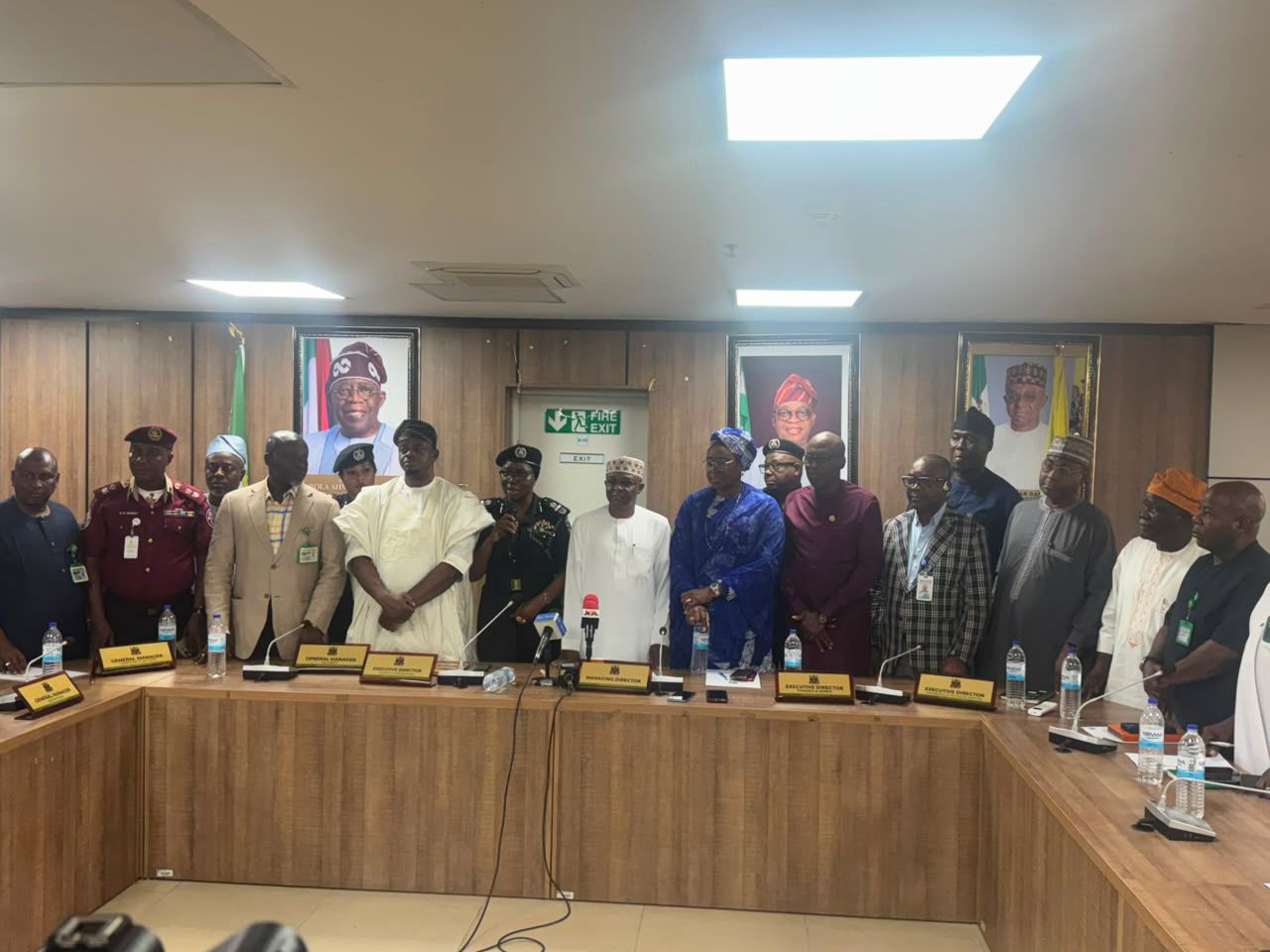
The Nigerian Ports Authority and the Nigeria Police Force have begun a joint effort to remove unauthorized checkpoints and illegal roadblocks along the Apapa and Tin Can Island port corridors in Lagos.
The intervention is aimed at easing traffic, ending extortion, and improving cargo movement on routes that serve Nigeria’s busiest ports. It follows a stakeholders’ meeting in Lagos attended by security agencies, freight forwarders, transport unions, and government officials.
NPA Managing Director Dr. Abubakar Dantsoho said the meeting exposed several problems affecting movement along the corridors, including extortion, traffic bottlenecks, and overlapping security roles. He said the challenge goes beyond the immediate port area and affects major access roads around Berger, Mile 2, and other points used by truckers and logistics operators.
Dantsoho also said both the Maritime Police Command and the Lagos State Police Command denied authorizing officers to mount roadblocks or checkpoints on the corridors. According to him, the meeting made it clear that no official deployment had been given for such activities.
Assistant Inspector-General of Police in charge of Maritime Operations, Okunade Ronke, also denied that police officers were posted to checkpoints around the port environment. She said anyone claiming to represent the police while extorting motorists or operators was acting illegally and should be reported for investigation and discipline.
To address the situation, stakeholders agreed to set up a joint task force involving the Lagos State Government, the NPA, the police, freight forwarders, and transport operators. The team will focus on removing illegal checkpoints, improving traffic management, strengthening coordination among agencies, and making cargo evacuation smoother.
Maritime truck owners, freight forwarding groups, and other stakeholders welcomed the move, describing it as a needed response to years of harassment, extortion, and delays along the port access roads.
Dantsoho said the reforms are important to improving the competitiveness of Nigerian ports and making them more efficient than those of neighboring countries. He added that recent improvements in the port system have earned Nigeria some international recognition.
The expected result of the action is quicker cargo clearance, reduced congestion, lower logistics costs, and better security along the Apapa and Tin Can Island corridors.