

Yemisi Izuora
The Lagos Chamber of Commerce and Industry (LCCI) has advised the Federal Government to strengthen policy coordination across the economy and maintain fiscal discipline, warning that a potential oil windfall in 2026 could be wasted if it is not strategically managed.
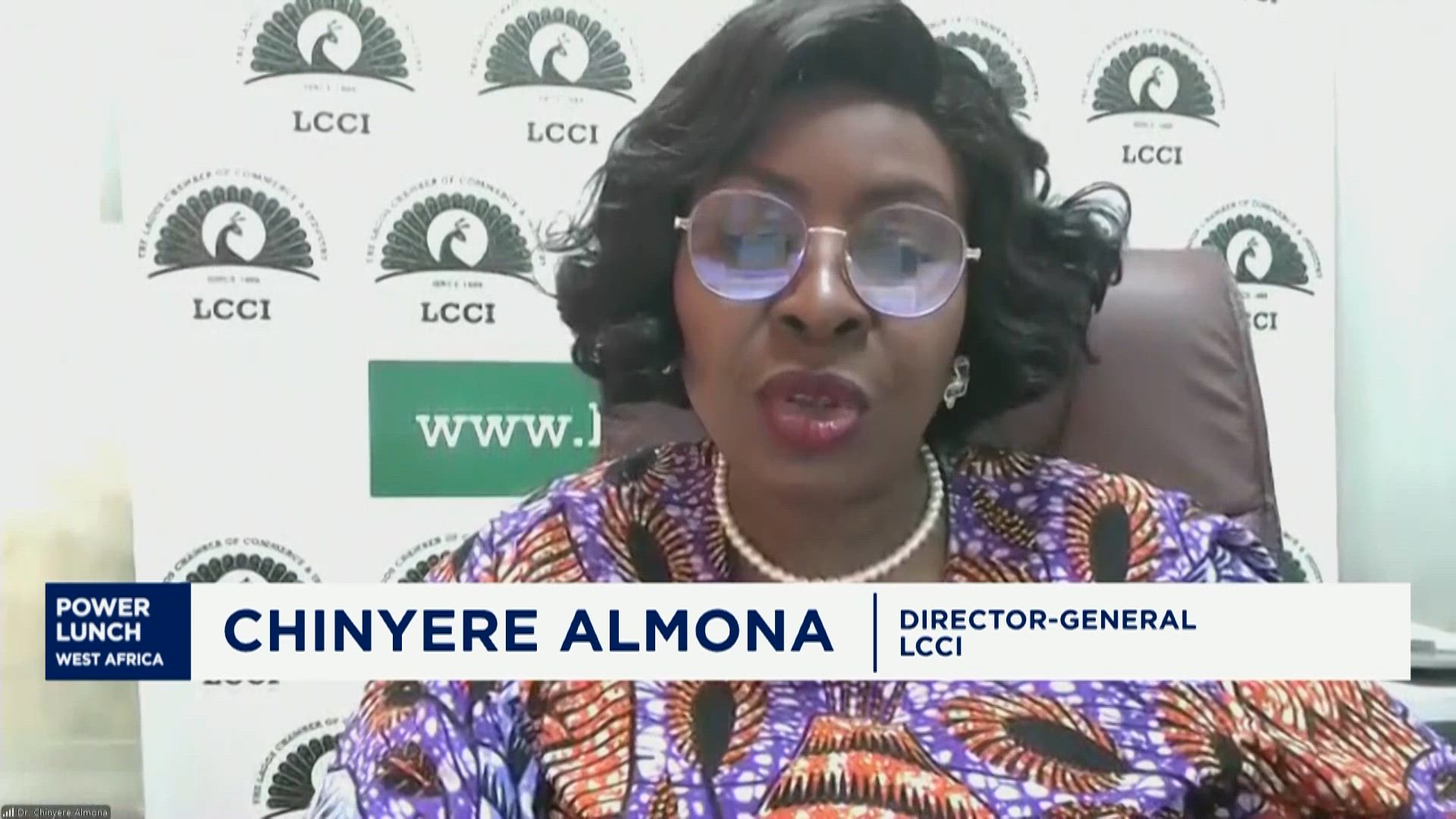
Speaking to CNBC Africa, the LCCI Director General (DG) of the Chamber, Chinyere Almona said rising crude oil prices present Nigeria with both an opportunity and a risk, particularly against the backdrop of geopolitical tensions, supply chain disruptions and persistent inflationary pressures. While higher oil prices could improve government revenues and provide a short-term buffer, she cautioned that history shows such windfalls are often consumed by recurrent spending rather than directed into long-term investments that can raise productivity.
According to Almona, the country should avoid repeating past cycles in which commodity-driven revenue surges failed to translate into durable economic gains. Instead, she said, proceeds from stronger oil earnings should be channeled into the sovereign wealth fund, critical infrastructure and diversification initiatives that can support the productive economy.
Her remarks come at a time when Nigeria continues to grapple with elevated inflation, high borrowing costs, weak power supply and logistics bottlenecks, all of which are squeezing businesses and households. Almona said one of the key priorities for policymakers should be ensuring that any oil-related revenue boost is used to cushion Nigerians from mounting cost pressures rather than fueling inefficient spending.
She argued that the windfall could help reduce the government’s borrowing needs, freeing up fiscal space for investments in infrastructure, power and reforms that lower the cost of doing business. That, she said, would be more beneficial than allowing additional revenue to disappear into consumption-led expenditure.
The LCCI chief also pointed to the limitations of recent monetary easing in addressing the challenges faced by businesses. Although the Central Bank of Nigeria recently reduced its benchmark rate by 50 basis points, she said the move has yet to translate into materially lower borrowing costs for the private sector. Companies, she noted, are still contending with expensive credit, while inflation continues to push prices higher, particularly for food.
Food inflation remains a major concern for the chamber. Almona said the government can do more to tackle inflation through targeted interventions in the agricultural value chain, including improving productivity and addressing insecurity in food-producing regions. Without those measures, she warned, rising food prices will continue to erode household welfare and intensify pressure on consumers.
Transport costs are also worsening the inflation problem. Higher energy prices have increased the cost of moving goods and people across the country, adding to the burden on consumers and businesses alike. In response, LCCI is urging the government to stabilize energy prices and improve domestic supply, including by expanding refining capacity to reduce Nigeria’s exposure to global fuel price shocks.
Beyond refining, Almona stressed the need to address structural constraints in the broader logistics network. She cited inefficiencies in port operations, multiple checkpoints on roads and layered levies imposed during the movement of goods as major contributors to high costs. These bottlenecks, she said, raise the final prices of products and undermine competitiveness across the industrial sector.
For businesses trying to navigate the current environment, Almona acknowledged that some recent policy actions from the government have been encouraging. She highlighted the launch of the National Single Window as a potentially important reform that could improve trade facilitation and ease of doing business if effectively implemented. She also referenced new fiscal policy measures and tariff amendments for 2026 that reduced import duties and levies on some goods, including inputs used by manufacturers.
The tariff adjustments, she said, also affected goods such as vehicles, rice, palm oil and sugar, with the potential to ease costs in parts of the economy and, over time, improve logistics. Still, Almona emphasized that the real test lies in execution. Nigeria, she said, has often introduced well-designed initiatives only for weak implementation to blunt their impact.
She therefore called on authorities to focus on implementation timelines, measurable milestones and policy consistency so that businesses can fully benefit from the reforms being announced.
Even with those positive steps, power supply remains one of the most severe constraints on private sector productivity, according to the chamber. Almona said frequent electricity outages, unreliable distribution networks, high diesel prices and expensive generator use continue to weigh heavily on businesses. She urged the government to deploy part of any oil windfall to strengthen the power sector, arguing that improved electricity is central to any serious effort to boost output, competitiveness and investment.
The LCCI chief also drew attention to concerns over telecom infrastructure, saying members of the chamber have flagged repeated vandalism and related security risks. She described telecommunications as foundational to economic activity, supporting banking, e-commerce, healthcare, education and other essential services. Protecting that infrastructure, she said, should be treated as a national priority requiring coordinated action by federal, state and local authorities, as well as regulators.
Taken together, Almona’s comments reflect a broader message from Nigeria’s organized private sector: macroeconomic opportunity alone is not enough. Without coordinated policymaking, disciplined public finances and effective implementation of reforms, temporary gains from higher oil prices may do little to resolve the country’s structural weaknesses.
For LCCI, the central question is not whether Nigeria will benefit from elevated crude prices in the near term, but whether policymakers can convert that advantage into lasting improvements in infrastructure, food supply, energy security and the overall business environment. In the chamber’s view, the answer will depend on whether government can resist short-term spending pressures and instead use the moment to build a more resilient and productive economy.