

Uche Cecil Izuora
Lagos State Government is taking steps to translate its new electricity law into bankable projects and achieve its goal in addressing chronic power shortages in Nigeria’s commercial hub.
The State is also set to convene regulators, financiers and power sector operators for the second Lagos Energy Summit a three-day event, scheduled from May 18 to 20, to be hosted by Governor Babajide Olusola Sanwo-Olu.
It comes as the state begins full implementation of the Lagos State Electricity Law 2024, which grants Lagos regulatory oversight over electricity generation, transmission and distribution within its jurisdiction.
According to the organisers, the summit will focus on project financing, decentralised generation, distribution network upgrades and renewable energy deployment. The initiative is part of broader efforts to reduce pressure on the national grid and curb the heavy reliance on self-generation by businesses and households across the state.
Despite its status as Nigeria’s economic nerve centre, Lagos continues to grapple with persistent grid constraints, frequent outages and high energy costs largely driven by diesel and petrol-powered generators. State officials maintain that improving electricity supply is central to sustaining industrial growth, supporting small and medium-sized enterprises and advancing plans for a 24-hour economy.
The summit will also feature Deputy Governor Kadri Obafemi Hamzat as co-host. The Commissioner for Energy and Mineral Resources, Biodun Ogunleye, who is coordinating the event, said the forum would move beyond policy conversations to practical outcomes.
According to Ogunleye, the summit “will not only review progress recorded since the enactment of the Lagos State Electricity Law but will also catalyse actionable partnerships that deliver measurable outcomes across the generation, transmission, and distribution value chains.”
At the summit, participants are expected to deliberate on investment structures, public-private partnership frameworks and technical strategies for strengthening subnational electricity markets. The programme will feature plenary sessions, technical masterclasses and investment roundtables.
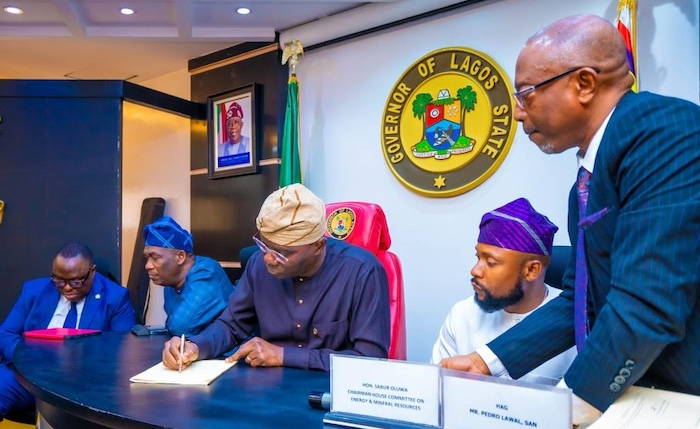
The State Government projects that several Memoranda of Understanding (MoUs) tied to specific energy projects will be signed during the summit, reflecting a shift from dialogue to execution under the new legal regime.
Industry stakeholders say investor confidence will hinge on Lagos’ ability to provide regulatory certainty, cost-reflective tariff frameworks and viable off-take arrangements capable of attracting long-term capital into generation and distribution infrastructure.
The second edition of the summit builds on the inaugural gathering and signals Lagos’ ambition to position itself as a model for subnational electricity market reform in Nigeria.
With more than 4,000 participants expected to attend both physically and virtually, stakeholders will be closely assessing the state’s capacity to convert its legislative autonomy into measurable improvements in power supply reliability, infrastructure delivery and overall energy security.
As implementation of the electricity law gathers momentum, the outcome of the summit is expected to shape the trajectory of Lagos’ power sector reforms and its broader economic competitiveness in the years ahead.