

Uche Cecil Izuora
Lagos State has taken a significant step toward improving maritime safety with the launch of practical training sessions under the Ferry Safety Development Programme, a groundbreaking initiative marking Africa’s first dedicated ferry safety training initiative.
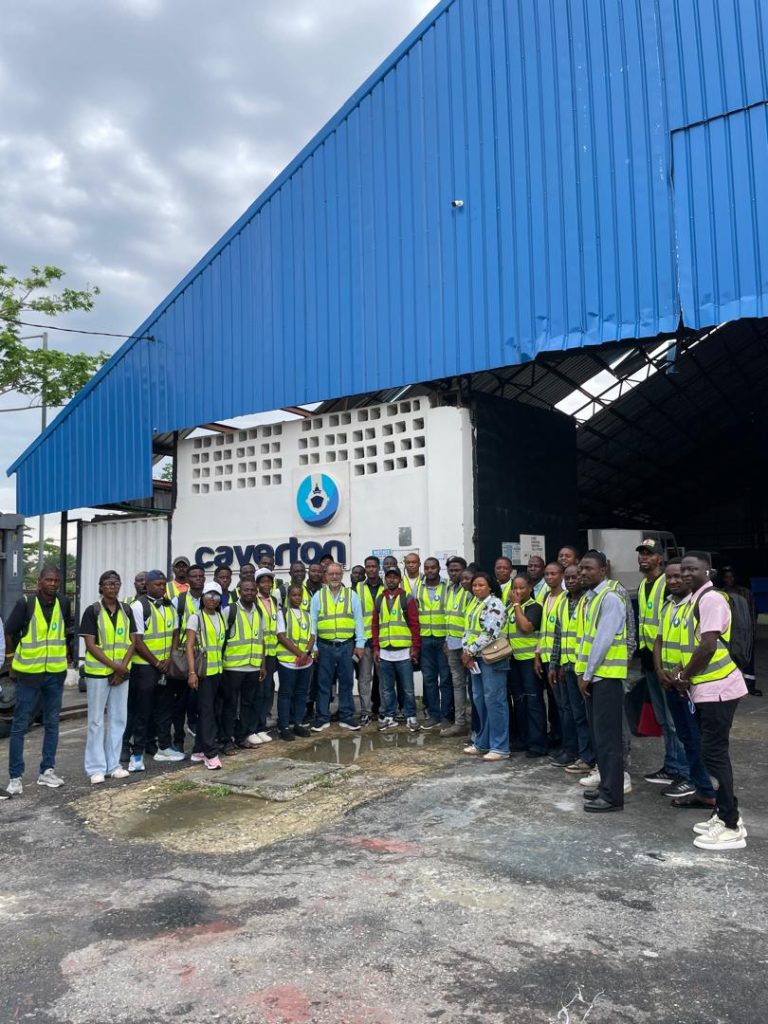
The Lagos State Waterways Authority partnered with international maritime organization Interferry to begin the hands-on component of the 18-month programme on June 9, 2026, at the Caverton Marine Ferry Building Facility in Badore, Ajah.
Fifty participants gathered for the opening session led by Programme Coordinator Engr. Ukeme Sunday, receiving intensive instruction on ferry design, construction methods, vessel safety standards, maintenance procedures, and operational best practices in the maritime industry.
The training featured a practical technical session by Caverton Marine General Manager Mr. Mohammed Ibrahim, who brought more than 40 years of experience in ferry design and construction to the programme. His presentation gave trainees critical insights into vessel construction benchmarks, maintenance requirements, and essential safety measures for ferry operations.
Special Adviser to the Governor on Blue Economy Mr. Oluwadamilola Emmanuel emphasized the importance of the practical training, explaining it was designed to complement virtual mentoring and self-paced learning already part of the programme. He stressed that exposing participants to real operational environments and industry standards is crucial for building the skills needed for a safer waterways sector.
The programme represents a major investment in maritime capacity development, with LASWA thanking Interferry for sponsoring the initiative, Caverton Marine for hosting the inaugural session, and the Lagos State Government for its sustained commitment to maritime safety and blue economy advancement.
As Africa’s pioneering Ferry Safety Development Programme, the initiative aims to strengthen technical competence, promote operational excellence, and establish a robust safety culture across the ferry and inland waterways sector throughout the continent.
The training session marks the beginning of what LASWA expects to become a model programme for maritime safety education in Africa, with participants gaining both theoretical knowledge and practical skills essential for modern ferry operations.