

Uche Cecil Izuora
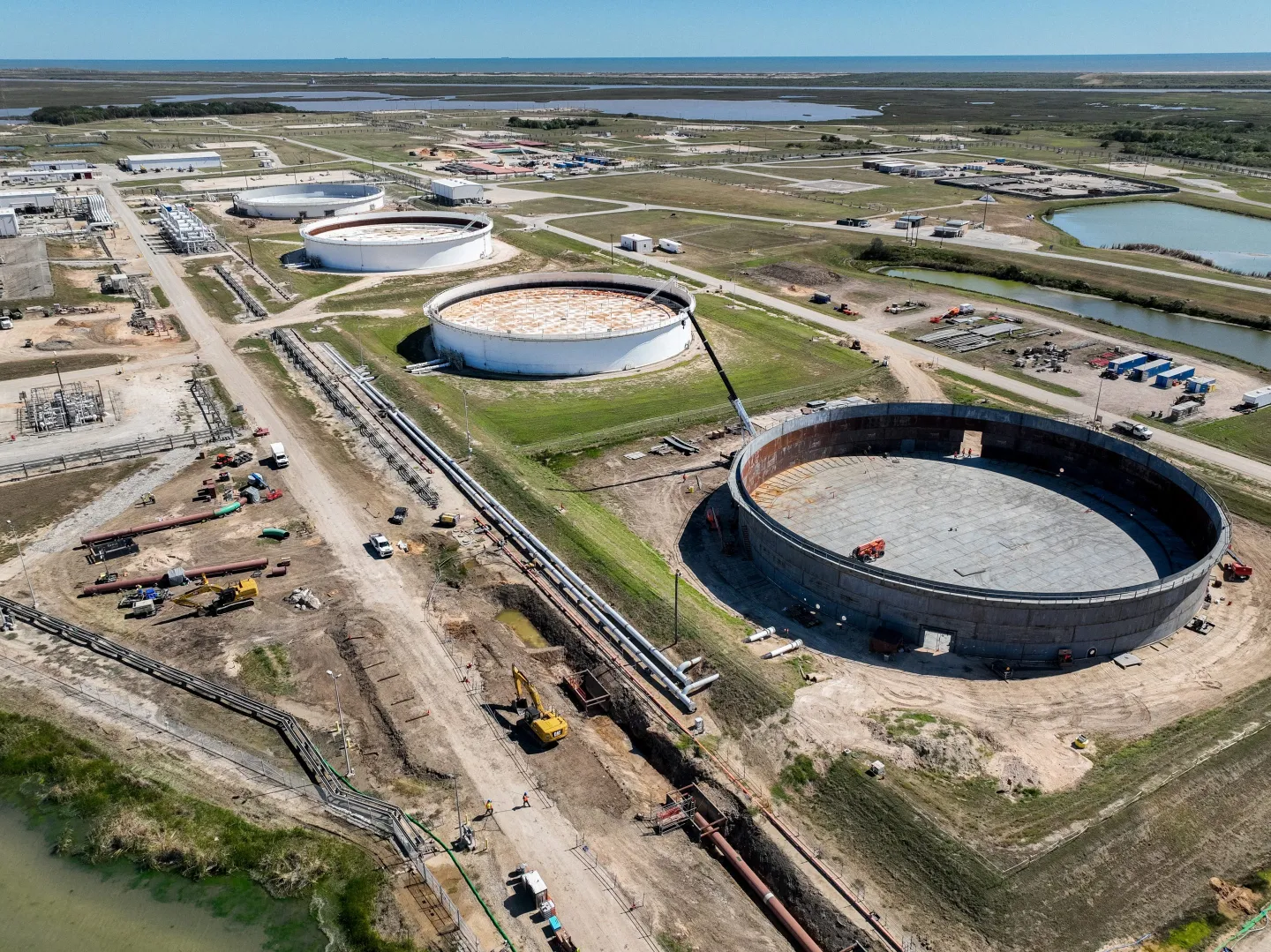
Analysts are Worried that global oil strategic reserves are being drained to make up for lost Middle East supply and keep a lid on prices.
The problems are exacerbated as the crisis is coming at a time when refiners normally build inventories ahead of peak demand season in the northern hemisphere.
It is also active farming season, and air travel is at a peak, as well – normally. This summer is likely to be different as the price spike resulting from the Middle East crisis will undoubtedly hurt demand, and not only in Asia, where the shortages are already being felt.
Analysts and energy industry executives are warning that the longer the war in the Middle East continues, the worse the supply situation will become. Global oil inventories are falling at a record pace, media reported earlier this week, with one Kpler analyst noting that “inventory support remains finite and cannot sustainably offset prolonged disruptions.”
If one only follows oil prices on the futures market, the signs of a crisis already unfolding might get missed. But in the physical world, the shortages are already materializing, and they are likely to remain for at least several months, according to various sources from the energy industry and the analytical sector.
“Even if the conflict, and I hope so, will end in the month of May, we would exit the conflict with clearly some very low inventories,” TotalEnergies’ chief executive Patrick Pouyanne said most recently, noting that per the company’s estimates, the world has been drawing oil from stockpiles at a rate of between 10 and 13 million barrels daily. This comes in at a total of 500 million barrels already drawn from global inventories since the start of the war, Reuters reported, citing the executive.
Some are even more pessimistic about the state of global inventories: Rystad Energy has estimated a total supply loss of some 600 million barrels since the start of March.
This means that even if tanker traffic in the Persian Gulf returns to normal at the end of the current month, the global oil supply loss would range between 1.2 billion and 2 billion barrels. This amount is equal to between 16 per cent and 27 per cent of pre-war supply, Rystad’s chief economist Claudio Galimberti said, as quoted by Reuters.
This is potentially problematic because the drawdown comes from inventories that were already significantly lower than five years ago.
Back in 2021, the world had over 90 days’ worth of demand in inventories. Since then, this has dropped to below 80 days’ worth, and that drop happened in 2022. Since 2022, inventories have been trending even lower, according to data from several institutions, including the IEA, Kpler, and Goldman Sachs, as compiled by Reuters.
The publication devised three scenarios for the war in the Middle East, and in all of them, global oil inventories drop lower towards 2027, even in the benign scenario where hostilities end between now and mid-June, which seems increasingly unlikely. In the worst-case scenario, with tanker traffic remaining disrupted until the end of June or beyond, global inventories could drop to close to 70 days’ worth of demand.
Of course, market forces are already doing their job, with surging prices hitting demand.
Asian oil imports in April were down by 30 per cent from a year ago, reaching the lowest in a decade, according to Kpler data that Reuters cited this week.
This is both because supply is scarcer than it was at the start of the year and because prices are higher, making some buyers think twice.
The longer the crisis extends in time, the more palpable the effect of scarcity on prices and, consequently, demand is going to become. Europe is already facing a shortage of jet fuel, with airlines canceling future flights.
Asia is struggling with a shortage of naphtha, an essential feedstock for plastics production. Even the United States is experiencing a strong crude oil inventory drawdown that is depleting its own supply shock cushion in both crude and fuels.
As of May 1, U.S. gasoline stocks were at 219.8 million barrels, the EIA said last week, which is 4 per cent below the five-year average and the lowest since 2014 for this time of year.
Meanwhile, the prospect of a swift end to the hostilities remains distant, with the U.S. and Iran resuming mutual strikes despite a ceasefire and reports from the U.S. side that talks are ongoing.
The latest from the Persian Gulf is Iran accusing the U.S. of violating the ceasefire with its latest strikes, while the U.S. itself accused Iran of firing on its Navy, to which the latest strikes were a response.
The two continue trading peace proposals back and forth, but nothing productive has yet come out of this.
What all this implies is that the chances of an adverse scenario materializing instead of any semblance of a best-case development are growing with each passing day. And this, in turn, means that the world’s oil supply is going to melt further.