

Joseph Bakare
Stakeholders have raised questions about subsidies for customers in lower bands which points to issues around power affordability and the need for accountability in the energy sector.
This is coming as grid reliability in Nigeria’s national grid is under scrutiny following multiple grid collapses this year.
In addition operators are concerned about financial constraints and slow implementation that has hindered infrastructure upgrades necessary for grid reliability.
To address the critical grid challenges the Federal Government has inaugurated a 6-member forensic investigation Committee with a task to advise the Government on necessary solutions to make the national grid robust and reliable in addition to the ongoing efforts of the government such as the Presidential Power Initiatives and the Nigeria Electricity Transmission Project. Meanwhile, electricity distribution companies in the country say the Government is yet to pay the cost of subsidising the electricity consumed by customers on Band B to E.
Nigeria is facing critical challenges in its power sector as the government grapples with the reliability of the national grid.
However, Electricity Distribution Companies (DisCos) are raising concerns over the government’s delay in paying the cost of subsidizing electricity consumption for customers in bands B to E.
The recent developments in Nigeria’s energy sector have raised questions about the country’s ability to sustain a stable power infrastructure.
The Chief Executive Officer of Proton Energy, Ote Komi, expressed his views on the challenges facing the sector.
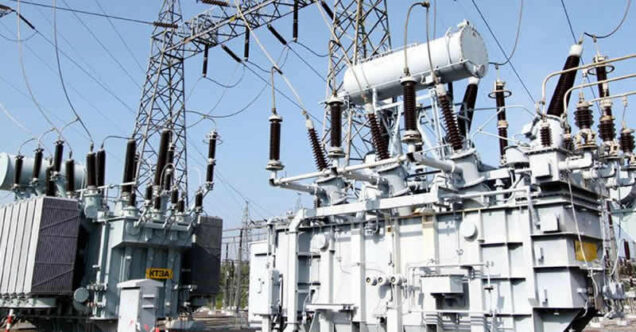
He highlighted the improvements in revenue on the Band A tariff side but noted significant technical challenges that have led to several grid collapses this year. Komi emphasized the importance of maintaining a balance between generation and load to prevent grid issues, citing a recent transformer explosion at the Djerba station as a trigger for grid collapse.
One of the pressing issues is Nigeria’s capacity to finance the necessary infrastructure upgrades for grid reliability.
With the Band A tariff providing a cost-effective opportunity for a majority of consumers, there is a window to address transmission challenges.
However, the pace of implementation has been a concern, particularly in the execution of projects like the Siemens Presidential Power Initiative.
Komi stressed the need for accountability in the energy sector and suggested a reorganization of key roles to enhance efficiency and delivery.
The issue of subsidies for customers in bands B to E has also raised alarms among the public. While the true cost of power reflects what is paid in Band A, the affordability for the masses in lower bands remains a pivotal question.
The government has earmarked subsidies for these bands to bridge the gap and ensure a level of affordability for consumers.
However, the slow progress in enhancing transmission infrastructure and holding stakeholders accountable has added complexity to the situation. In light of these challenges, stakeholders are calling for urgent action to address the root causes of grid instability and financial constraints.
The role of the newly formed forensic investigation committee will be crucial in providing strategic recommendations to strengthen the national grid. International expertise and a focused approach to implementation are deemed essential to resolve the longstanding issues in Nigeria’s power sector.
The need for transparency, accountability, and accelerated infrastructure development remains a top priority to secure a reliable and sustainable energy supply for the nation