

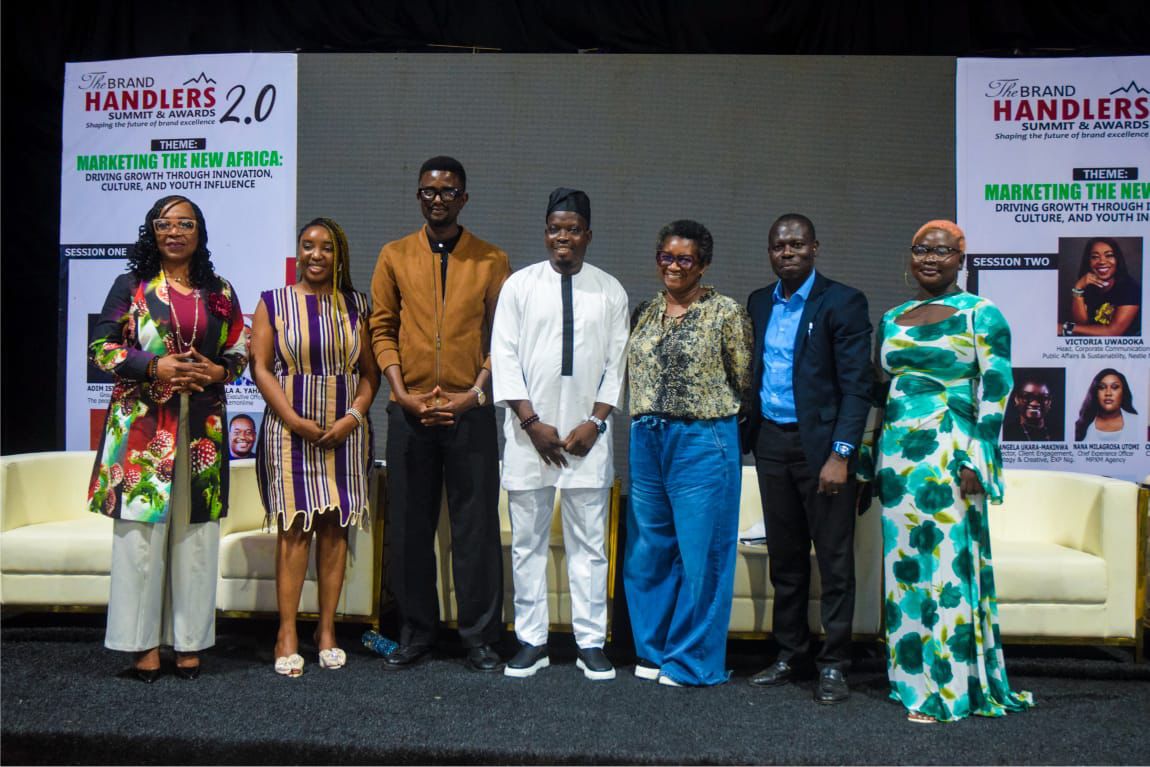
The conversation about Africa’s growing influence in global marketing and business took centre stage at the Brand Handlers Summit & Awards 2026 in Lagos, where industry leaders highlighted culture, innovation and artificial intelligence as key drivers of the continent’s next phase of growth.
Held at Sheba Centre, the summit opened with a keynote presentation by Wole Olagundoye, Managing Director of Outori Limited, who said the next major marketing playbook may no longer come from cities like New York or London, but from African centres such as Lagos, Nairobi and Accra.
Speaking on the theme, Marketing the New Africa: Driving Growth Through Innovation, Culture and Youth Influence, Olagundoye described Africa as a fast-changing consumer market shaped by digital adoption, cultural confidence and a youthful population. He said Africa is no longer just following global trends but is increasingly shaping them.
He cautioned brands against copying Western marketing models without adapting them to local realities. According to him, campaigns that are merely translated rather than properly localised often fail to connect with audiences. He added that consumers now want to take part in brand stories rather than simply receive messages from brands.
Olagundoye also pointed to culture as a major commercial force, saying Afrobeats, fashion, social media communities and creator-led commerce have made African creativity one of the continent’s strongest exports. He noted that brands that connect authentically with culture are better positioned to build relevance and trust.
In a separate keynote, Victoria Uwadoka, Head of Corporate Communications, Public Affairs and Sustainability at Nestlé Nigeria, expanded the discussion to the challenge of scaling African brands beyond local markets. Speaking on Scaling African Brands: Leveraging Data, AI and Creativity for Continental Impact, she said Africa’s challenge is not a shortage of ideas but the ability to turn strong local brands into continental and global contenders.
Uwadoka said data, artificial intelligence and creativity are the three main drivers of growth for brands seeking scale. She argued that in today’s business environment, intelligence matters as much as finance, because brands that understand consumers better and make evidence-based decisions are more likely to succeed.
Using Netflix as an example, she showed how data can strengthen decision-making and reduce risk while supporting creativity. She also described AI as essential business infrastructure rather than a future concept, saying it can help companies understand fragmented markets, personalise customer experiences and uncover insights from large volumes of consumer data.
According to her, the question is no longer whether organisations will adopt AI, but how quickly they will do so.
Even with her focus on technology, Uwadoka stressed that creativity remains the main differentiator. She said Africa’s growing influence in music, fashion, cuisine, film and innovation should be matched by brand storytelling that turns cultural relevance into commercial value.
The summit reflected a wider message that Africa’s future in marketing and business will depend on how well brands combine culture, creativity and technology to connect with a young, digital and increasingly influential consumer base.