

By Oritsemelobi Adebiyi
Sustainability is no longer a concept reserved for academic debates or policy documents; it is a pressing reality for Nigeria. From devastating floods and desertification to unchecked deforestation and waste management crises, the environmental challenges confronting our nation demand immediate action. But what does sustainability mean in the Nigerian context, and how can we address these issues with practical, inclusive solutions? I aim to spotlight critical areas of concern and propose actionable pathways that prioritise long-term environmental health, economic prosperity, and social well-being.
Nigeria generates about 32 million tonnes of solid waste annually, with Lagos alone producing about 13,000 tonnes daily. Yet only a fraction of this waste is properly managed. Open dumps and unregulated waste burning contribute to air and soil pollution, while plastic waste chokes waterways and exacerbates flooding. The absence of a robust recycling industry and informal waste management systems underline the need for a systemic overhaul.
Upscaling waste-to-value initiatives, starting with upcycling, can transform waste materials into products of higher value. For example, discarded tyres can become paving materials, while plastic waste can be turned into furniture. These innovations mitigate Scope 3 emissions and create economic opportunities. Advanced technologies like artificial intelligence for waste sorting and IoT-enabled tracking can optimise recycling. Governments should implement extended producer responsibility policies and encourage public-private partnerships to invest in recycling infrastructure and green technologies.
Nigeria’s energy sector is at a crossroads. Reliance on fossil fuels for economic revenue conflicts with the global pivot toward decarbonisation. The challenge is reconciling energy access for millions with reducing carbon emissions, including Scope 1 (direct emissions), Scope 2 (indirect emissions from electricity), and Scope 3 (supply chain emissions).
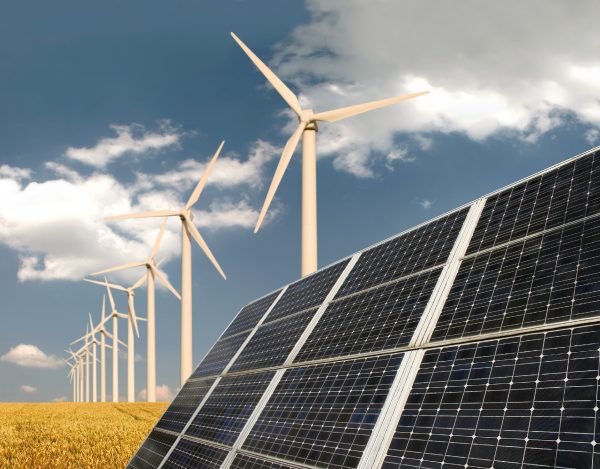
A phased approach is essential. Solar mini-grids and decentralised renewable systems can provide electricity to underserved communities while reducing diesel reliance. Cleaner energy options like Liquefied Petroleum Gas offer a lower-carbon alternative to biomass and kerosene. Initiatives like the National LPG Expansion Plan provide infrastructure and incentives to boost adoption. Investments in research and policies promoting renewable energy adoption, such as tax rebates for solar installations, are critical. The Nigeria Energy Transition Plan aims for net-zero emissions by 2060 and emphasises renewable energy, cleaner oil technologies, and public-private collaboration.
Agriculture employs over 70 per cent of Nigeria’s rural workforce but contributes significantly to deforestation and environmental degradation. Slash-and-burn practices accelerate deforestation, soil erosion, and biodiversity loss. Nigeria loses approximately between 350,000 and 400,000 hectares of forest annually.
Adopting sustainable practices like agroforestry and conservation farming can combat deforestation while enhancing soil fertility and providing additional income. Climate-smart techniques—such as drip irrigation, crop rotation, and organic fertilisers—can improve yields while reducing environmental impacts. Innovations like methane capture and bio-digesters can further reduce emissions from agriculture. Government extension services should focus on training farmers and subsidising eco-friendly inputs.
With an urbanisation rate of over four per cent annually, Nigerian cities are expanding rapidly, often without adequate planning. Informal settlements and poorly constructed buildings increase vulnerability to climate-related disasters. The construction industry also contributes significantly to Scope 1, 2, and 3 emissions.
Sustainable urban planning policies must promote green building materials, energy-efficient designs, and affordable housing solutions. Public transportation systems and bike lanes can reduce urban carbon footprints while improving quality of life. The construction industry must adopt low-carbon materials and retrofit buildings to improve energy efficiency.
Achieving sustainability requires robust governance and public participation. Weak enforcement of environmental laws has hindered progress. Transparent institutions prioritising sustainability are essential. Programmes like the Green Bond Programme, which funds climate-friendly projects, must be scaled up.
Public awareness campaigns can drive grassroots action, encouraging sustainable practices like waste segregation and energy conservation. Civil society and the media play crucial roles in advocacy and holding policymakers accountable.
By addressing the waste management crisis, mitigating Scope 1, 2, and 3 emissions through renewable energy adoption, promoting sustainable agriculture, and planning resilient urban spaces, we can create a future where economic growth does not come at the expense of environmental degradation. This transformation demands collaboration across all sectors—government, private industry, civil society, and individuals. Sustainability and decarbonisation are not just lofty ideals; they are the foundation upon which the survival and prosperity of our nation rest.
•Oritsemelobi Adebiyi is a Strategy and Transactions Consultant at EY-Parthenon, the United States